Language
 English
 中文简体
中文简体 русский
 Español
 عربى
عربى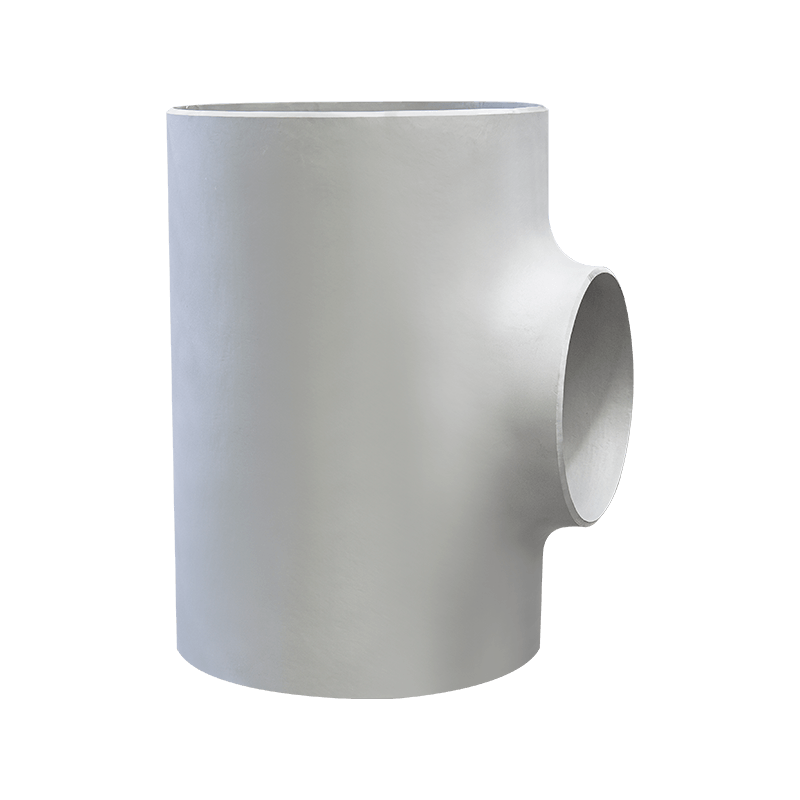
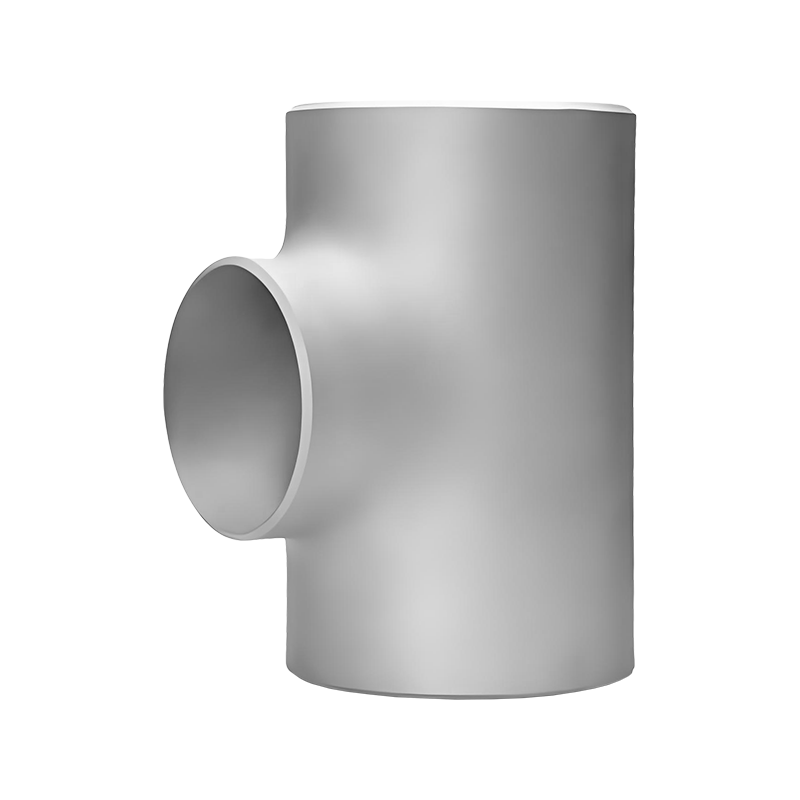
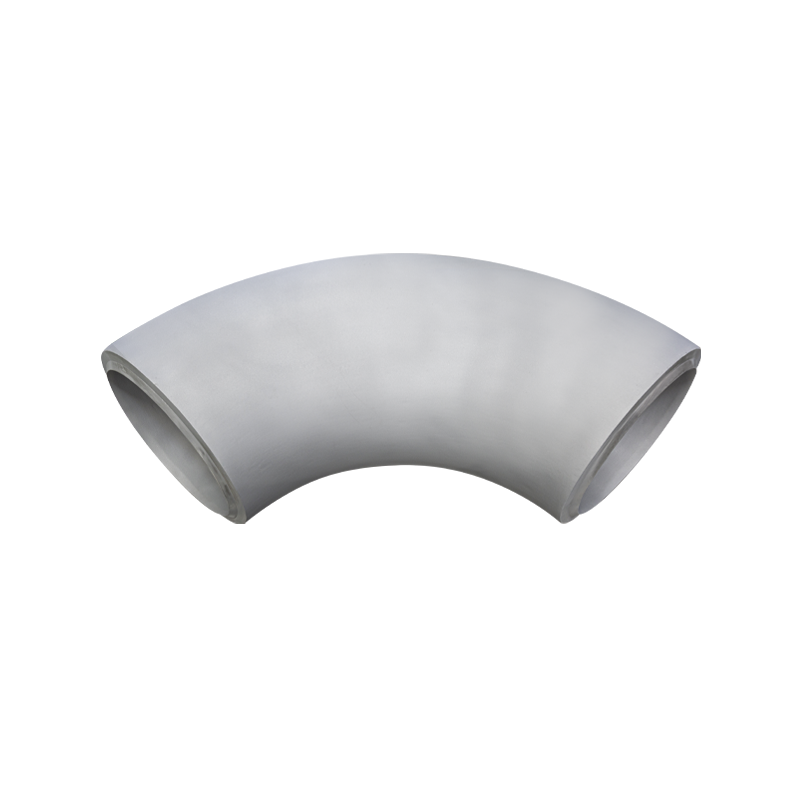
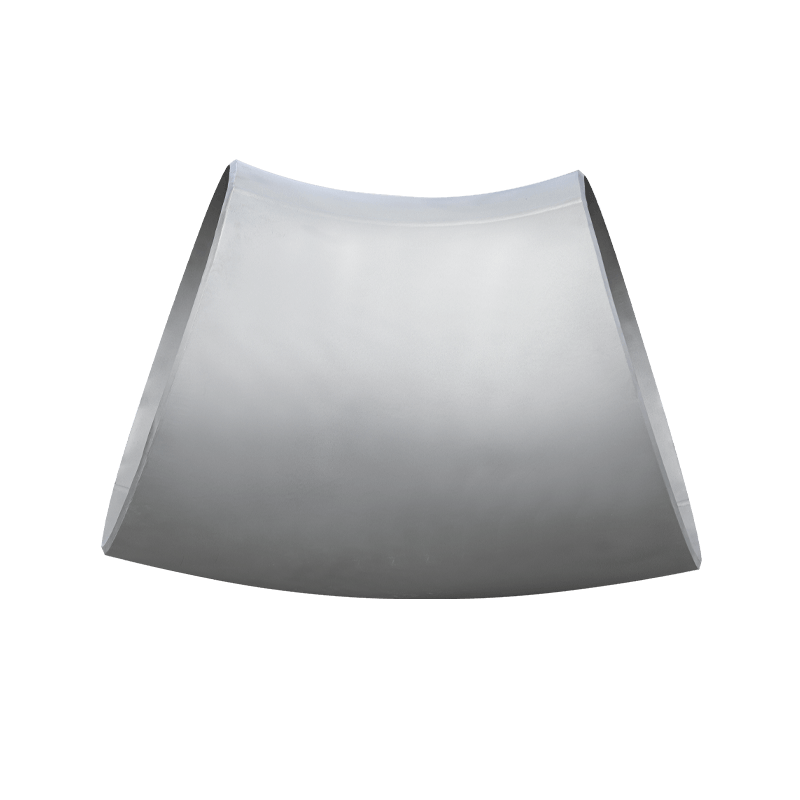
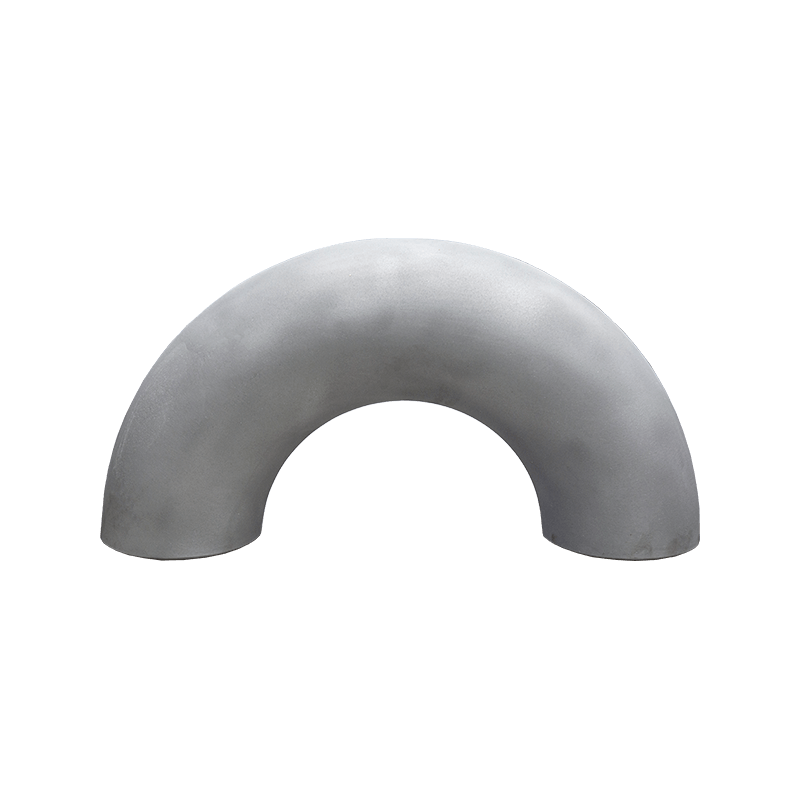
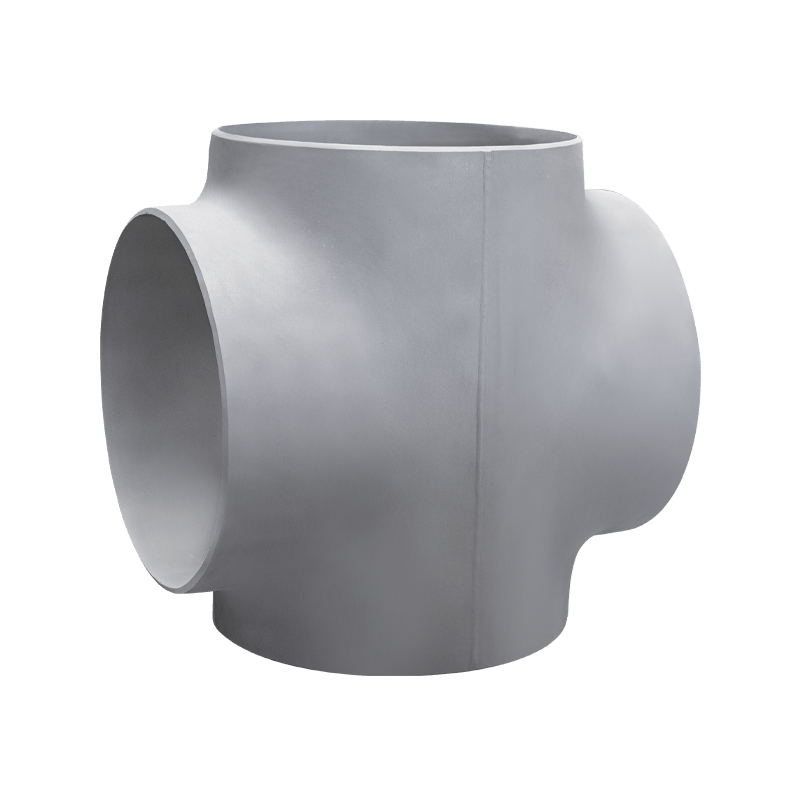
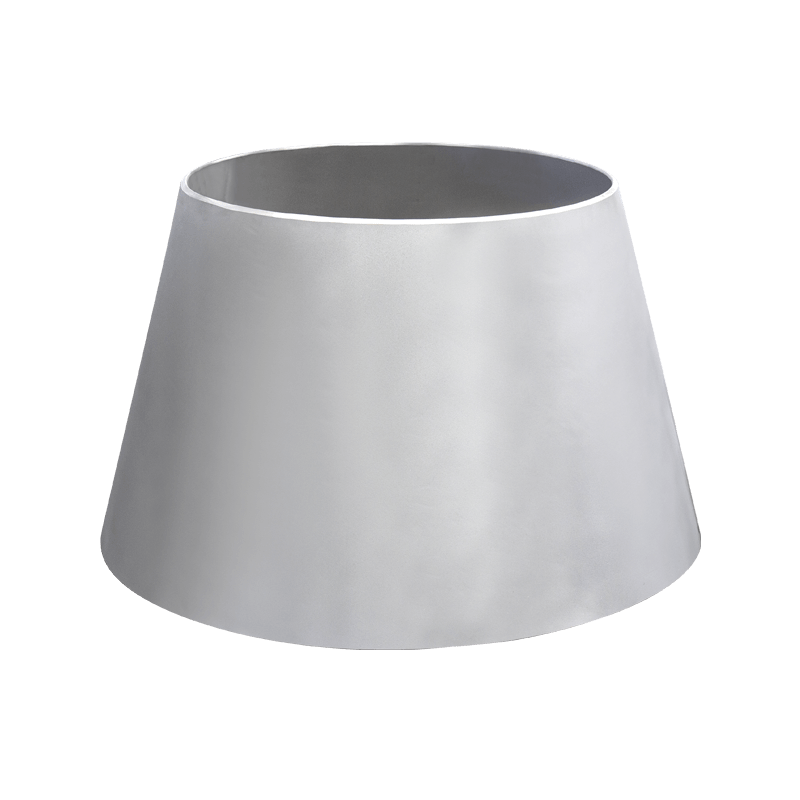
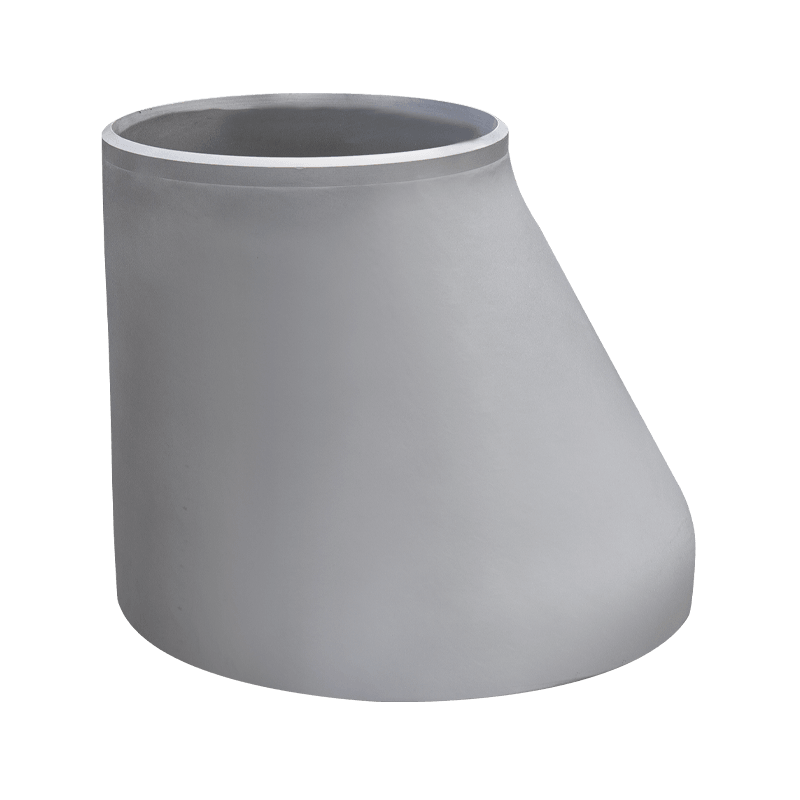
316L Fitting Technical Specifications
| Parameter | Specification Detail |
|---|---|
| Material Grade | ASTM A403 WP316L (UNS S31603) |
| Design Standard | ASME B16.9, MSS SP-43, DIN 2605/2615/2616 |
| Size Range | 1/2" to 48" (DN15 - DN1200) |
| Wall Thickness | Schedule 5S, 10S, 40S, 80S |
| Corrosion Standard | ASTM G48 (Pitting corrosion resistance) |
| Surface Treatment | Pickled & Passivated (ASTM A967) |
Chemical & Marine Applications
316L Stainless Steel fittings are the workhorse of the global chemical industry and maritime sector. In chemical plants, they handle phosphoric acid, acetic acid, sulfurous acid, and a wide range of chlorinated solvents that would corrode inferior grades. They are extensively used in fertilizer production for phosphate and sulfate process lines. On offshore oil and gas platforms, they form the seawater lift and injection systems, heat exchanger interconnections, and chemical injection skids. Marine chemical tankers rely on 316L fittings for their cargo manifold systems handling aggressive liquid chemicals. In coastal and offshore desalination plants, 316L fittings handle the seawater pre-treatment and product water distribution systems. Pulp and paper mills use them for bleaching agent and chemical recovery systems. They are also the standard material for pharmaceutical clean utilities, including purified water (PW) and water-for-injection (WFI) distribution piping.
Corrosion Resistance Advantages
- Molybdenum Pitting Resistance: The 2-3% molybdenum content provides critical resistance to chloride pitting that would rapidly attack 304 stainless steel in marine and chemical environments.
- Low Carbon Anti-Sensitization: The L-grade carbon control eliminates the risk of inter-granular corrosion in the heat-affected zone of field welds, ensuring full corrosion resistance after installation.
- Passive Layer Stability: Solution annealing and passivation treatment creates a robust, self-repairing chromium-oxide layer that provides long-term protection in oxidizing environments.
- Wide Chemical Compatibility: Resists a broad spectrum of inorganic acids, organic chemicals, and caustic solutions found in chemical processing and offshore service.