Language
 English
 中文简体
中文简体 русский
 Español
 عربى
عربى
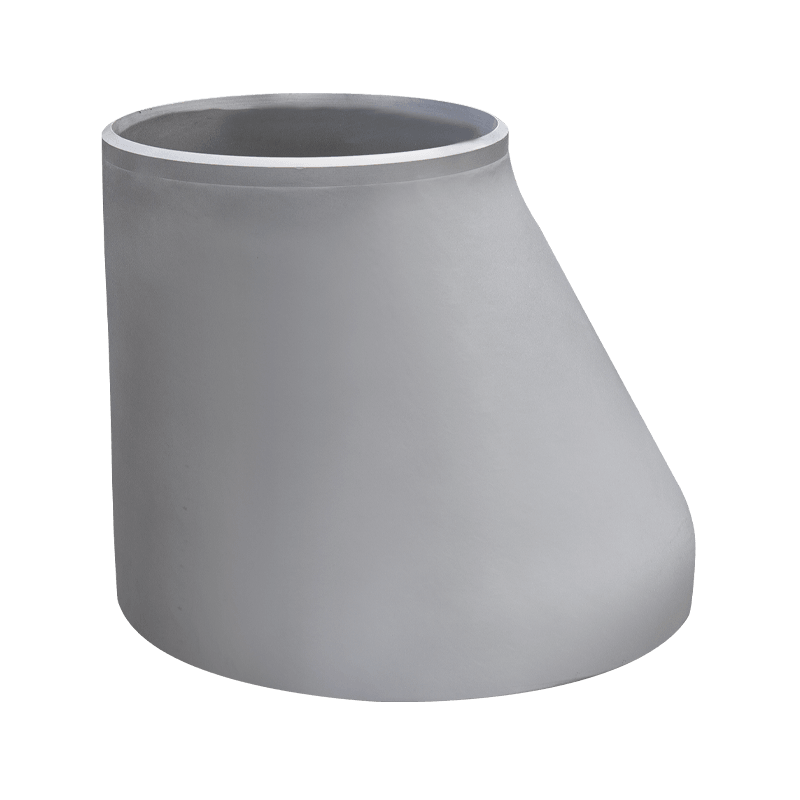
Technical Specifications Table
| Parameter | Details |
|---|---|
| Material Grade | ASTM A182 F321H (UNS S32109) |
| Standards | ASME B16.5, EN 1092-1, DIN 2576 |
| Stabilizing Element | Titanium (Ti content ≥ 5x Carbon) |
| Pressure Classes | Class 150, 300, 600, 900 |
| Size Range | 1/2" to 24" (DN15 - DN600) |
| Finish | Pickled and Passivated or Machined |
High-Temperature Process Applications
These 321H slip-on flanges are primarily utilized in aircraft exhaust stacks, collector rings, and heavy-duty engine manifolds where thermal cycling is intense. In the petrochemical industry, they are essential for thermal oxidizers, flare systems, and high-temperature furnace piping. They are also widely used in chemical processing for equipment handling organic acids at elevated temperatures. Because of their excellent oxidation resistance and resistance to polythionic acid stress corrosion cracking, they are favored in refinery hydrodesulfurization units. Whether used in radiant heaters or waste heat recovery systems, 321H flanges provide a secure connection in environments where standard 304 or 316 stainless steels would undergo sensitization and fail at the weld zones.
High-Heat Performance Advantages
- Titanium Stabilization: Prevents chromium carbide precipitation during welding and high-temperature service.
- Higher Creep Strength: The H-grade high carbon content provides better allowable stress at temperatures above 1000°F.
- Superior Weldability: Can be welded using common methods without the risk of post-weld intergranular corrosion.
- Thermal Expansion Resistance: Maintains dimensional stability through repeated heating and cooling cycles.