Language
 English
 中文简体
中文简体 русский
 Español
 عربى
عربى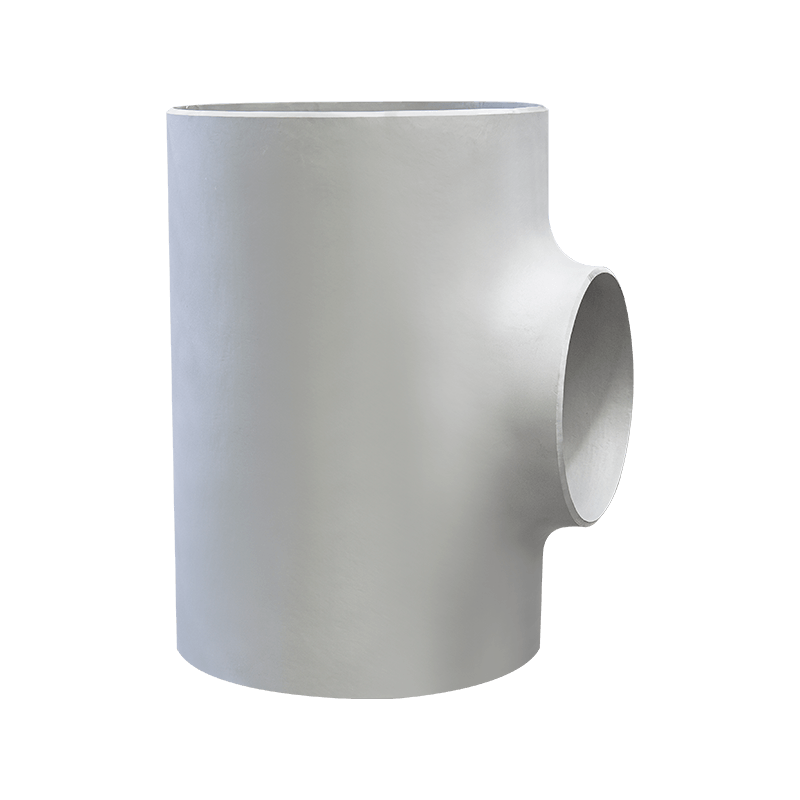
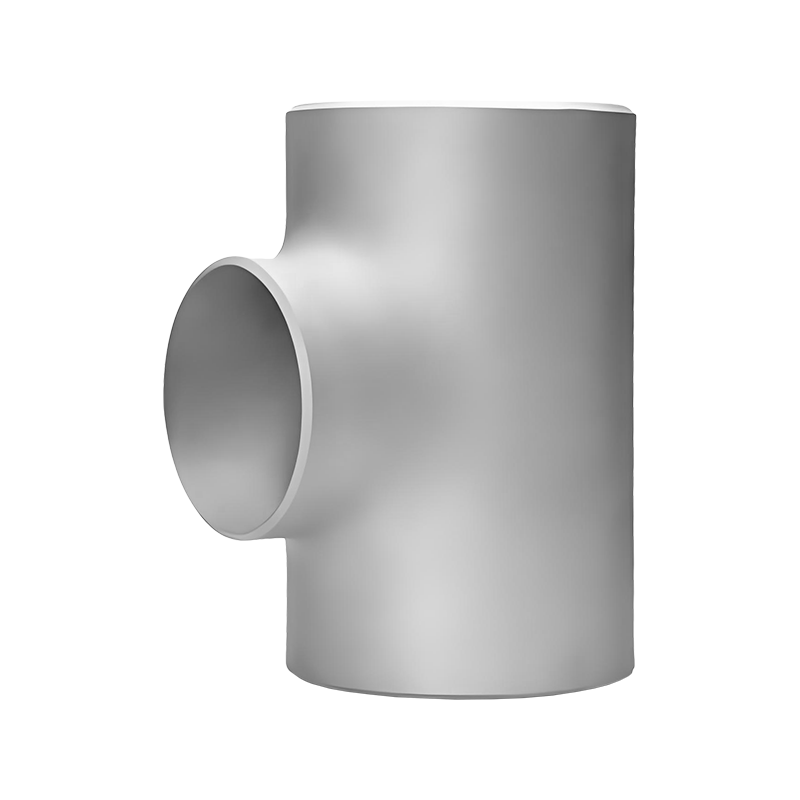
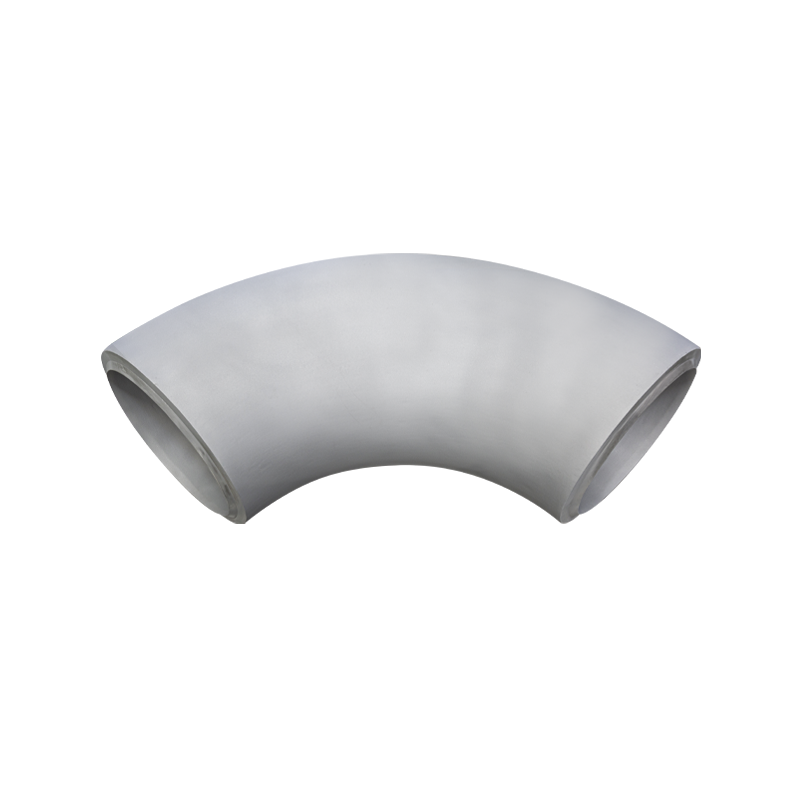
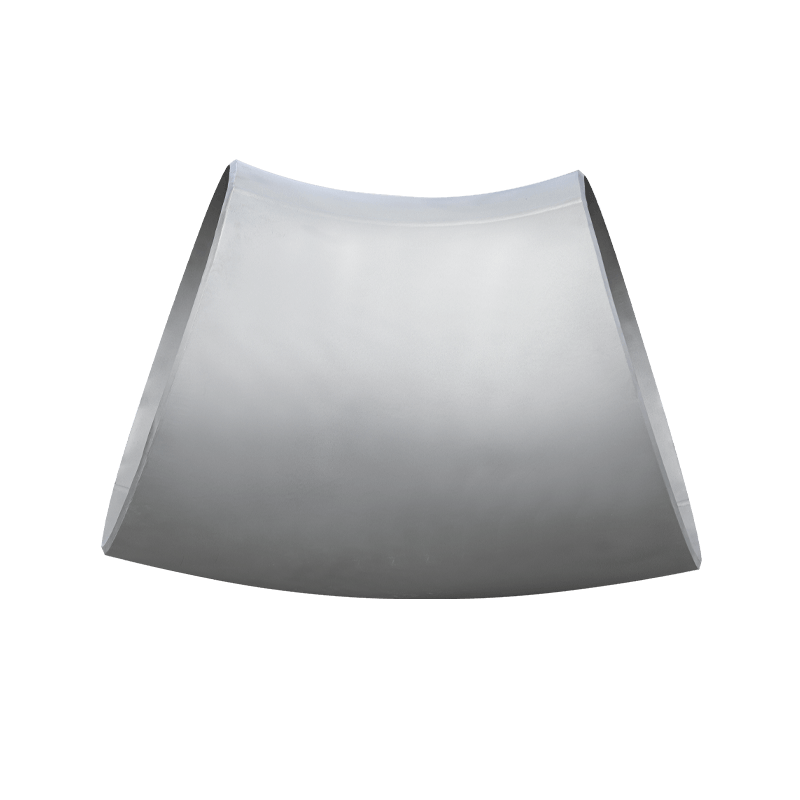
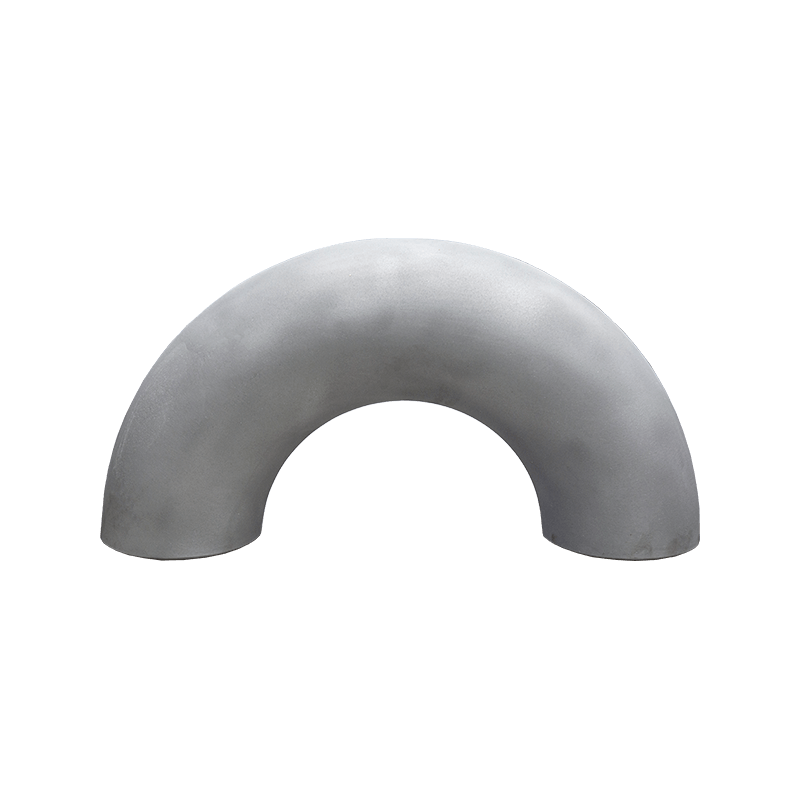
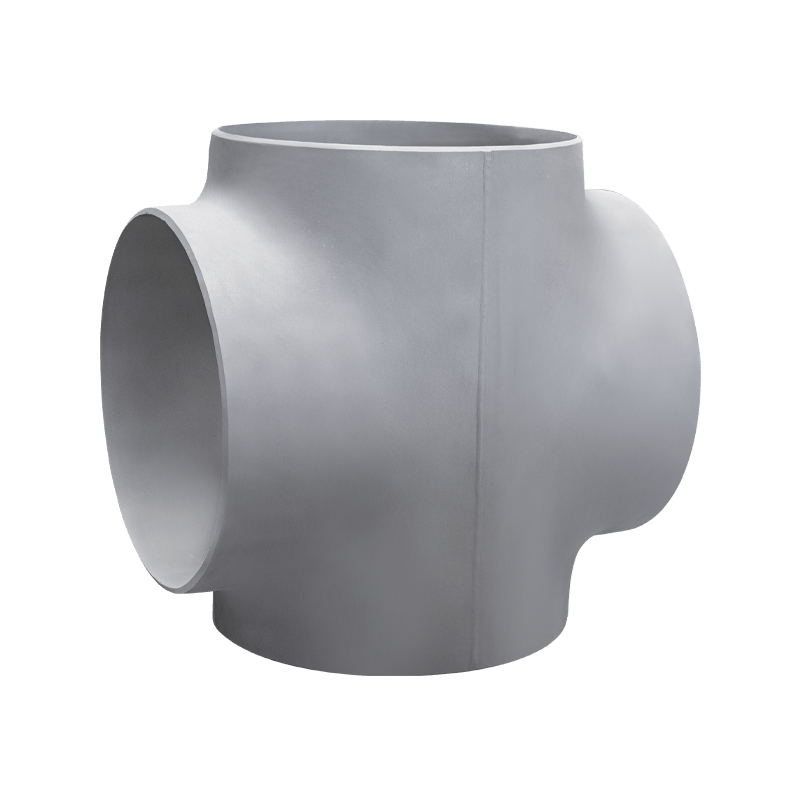
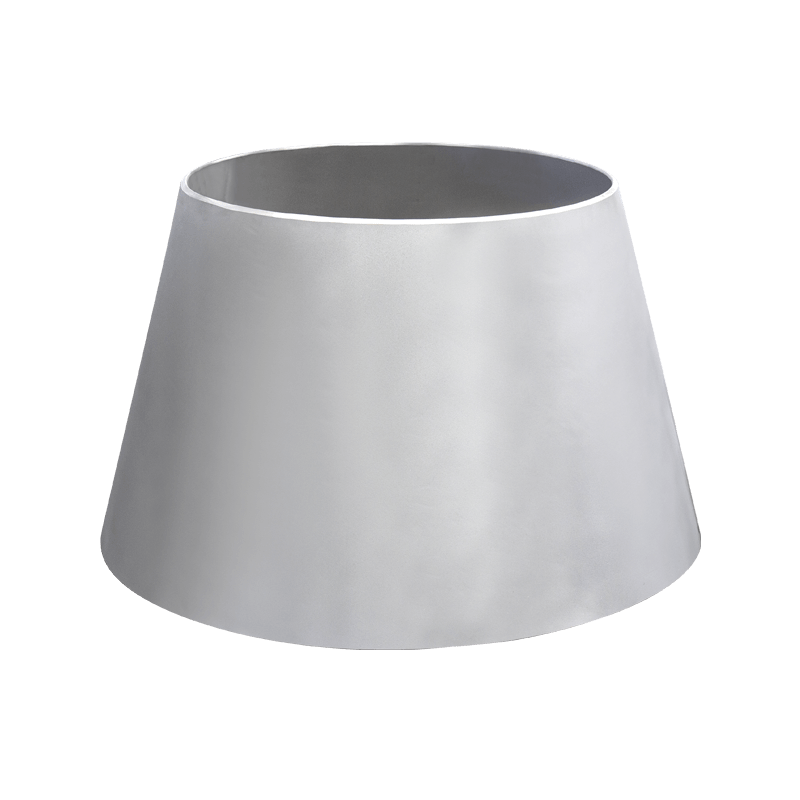
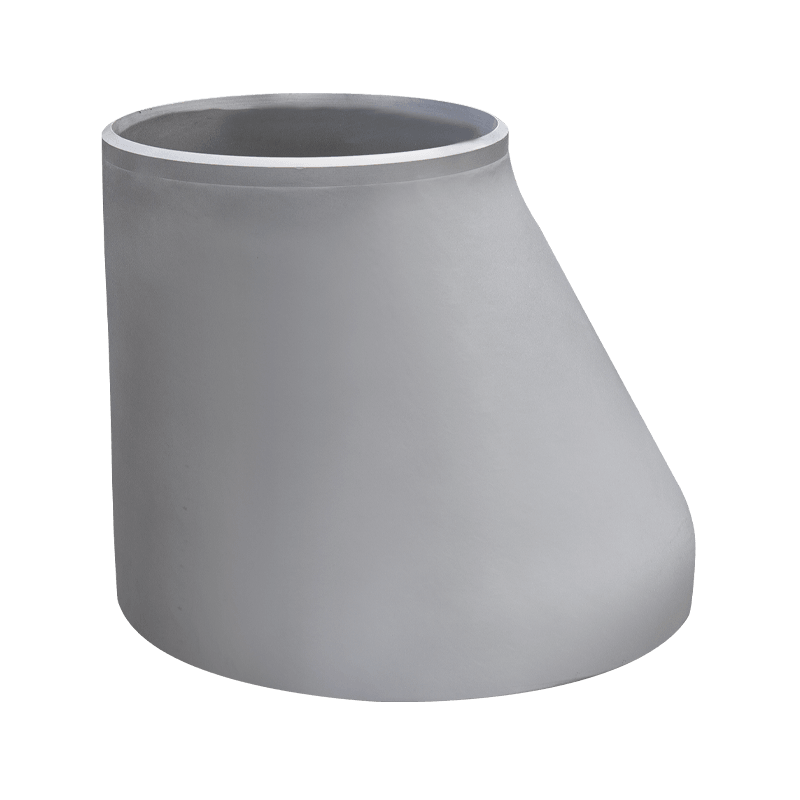
Alloy Steel Fitting Technical Data
| Parameter | Specification Detail |
|---|---|
| Material Grades | ASTM A234 WP5, WP9, WP11, WP22, WP91 |
| Design Standard | ASME B16.9, MSS SP-75, ASME B31.3 |
| Pressure Class | Up to Class 2500 depending on grade/size |
| Size Range | 1/2" to 48" (DN15 - DN1200) |
| Max Service Temp | Up to 650°C (WP91 grade) |
| Heat Treatment | Normalized & Tempered, PWHT documentation |
High-Temperature Chemical & Petrochemical Applications
Alloy steel pipe fittings are indispensable in the most thermally demanding sections of chemical and petrochemical plants. WP11 and WP22 fittings are the standard for catalytic reformer charge and effluent lines, operating at temperatures of 450–550°C with high hydrogen partial pressures. In hydrotreating and hydrocracking units, they handle hot hydrogen-rich recycle gas streams where the Nelson curves strictly limit carbon steel use. WP91 (9Cr-1Mo-V) fittings are specified for ethylene cracker hot sections and high-temperature transfer line exchangers. Chemical plants producing sulfuric acid, nitric acid, and acetic acid rely on alloy steel for high-temperature acid vapor lines. In ammonia synthesis plants, WP11 fittings handle the high-temperature, high-pressure synthesis gas loops. They are also essential for steam reformer outlet manifolds and fired heater outlet piping in hydrogen production units where the combination of hydrogen and extreme temperature would rapidly destroy carbon steel.
High-Temperature Service Advantages
- Hydrogen Attack Resistance: Chromium content shifts the Nelson curve limits significantly, allowing safe operation in high hydrogen partial pressure environments where carbon steel would suffer decarburization and embrittlement.
- Creep Strength: Molybdenum and vanadium additions provide superior creep resistance at elevated temperatures, maintaining dimensional stability under sustained stress over decades of service.
- High-Temperature Oxidation Resistance: Chromium content develops a stable protective oxide that prevents metal loss and scaling in high-temperature steam and combustion gas environments.
- Superior Fatigue Life: Alloy microstructure provides excellent resistance to thermal fatigue during the frequent temperature cycles common in chemical plant start-up and shutdown operations.