Language
 English
 中文简体
中文简体 русский
 Español
 عربى
عربى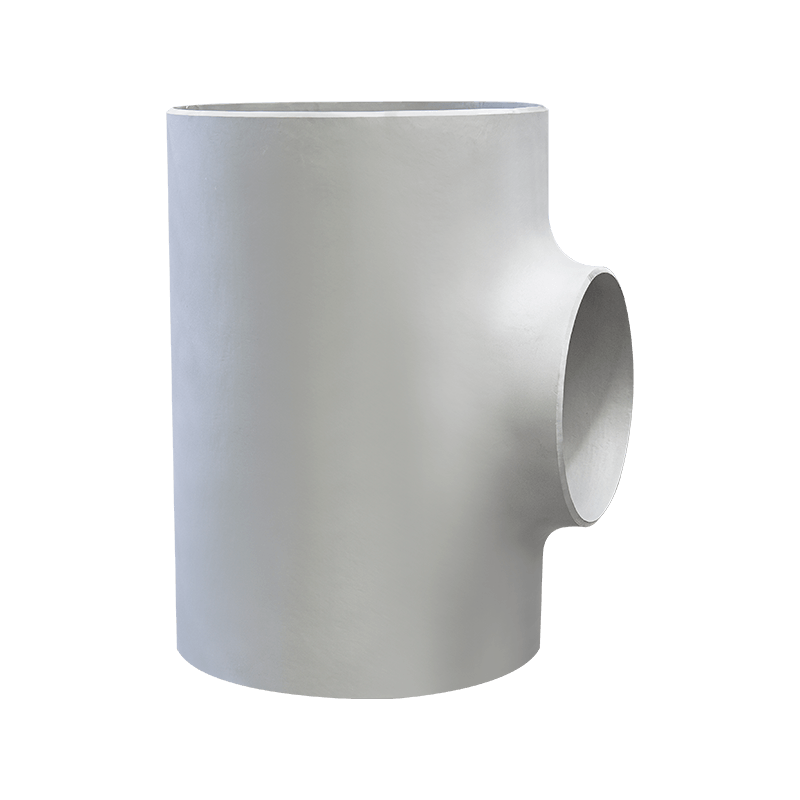
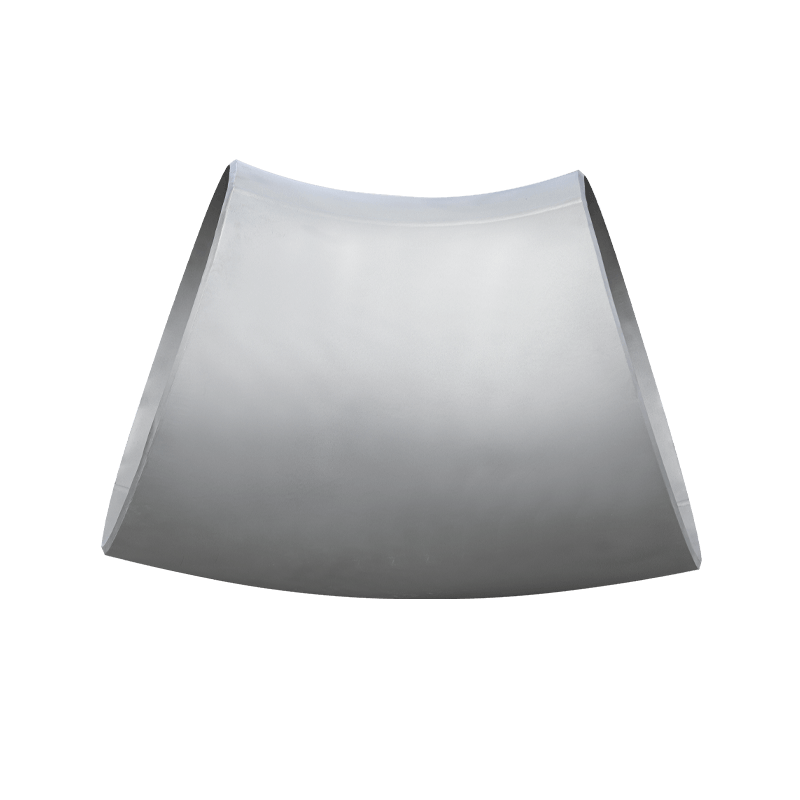
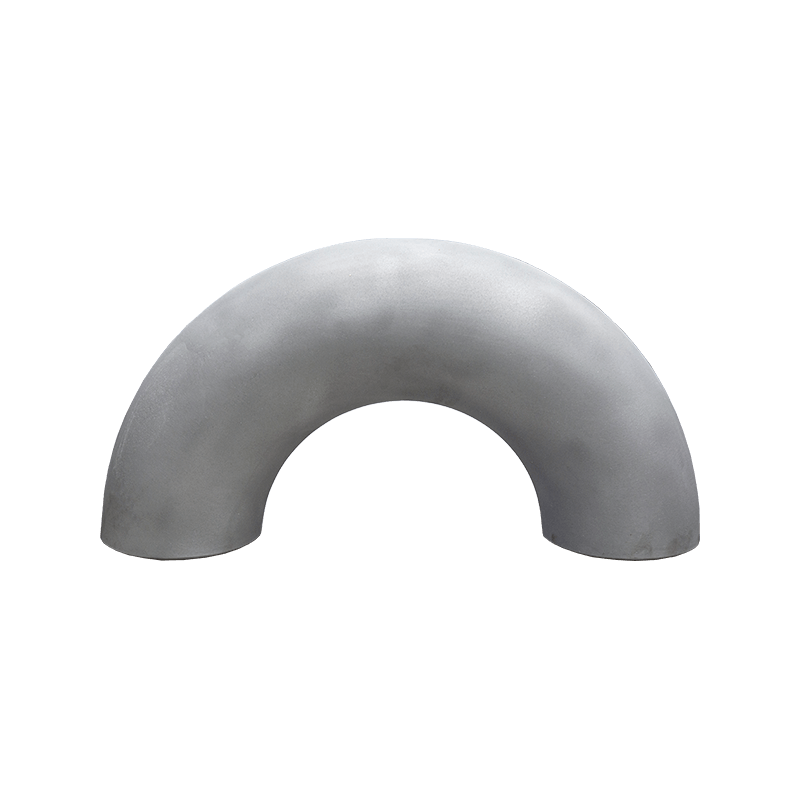
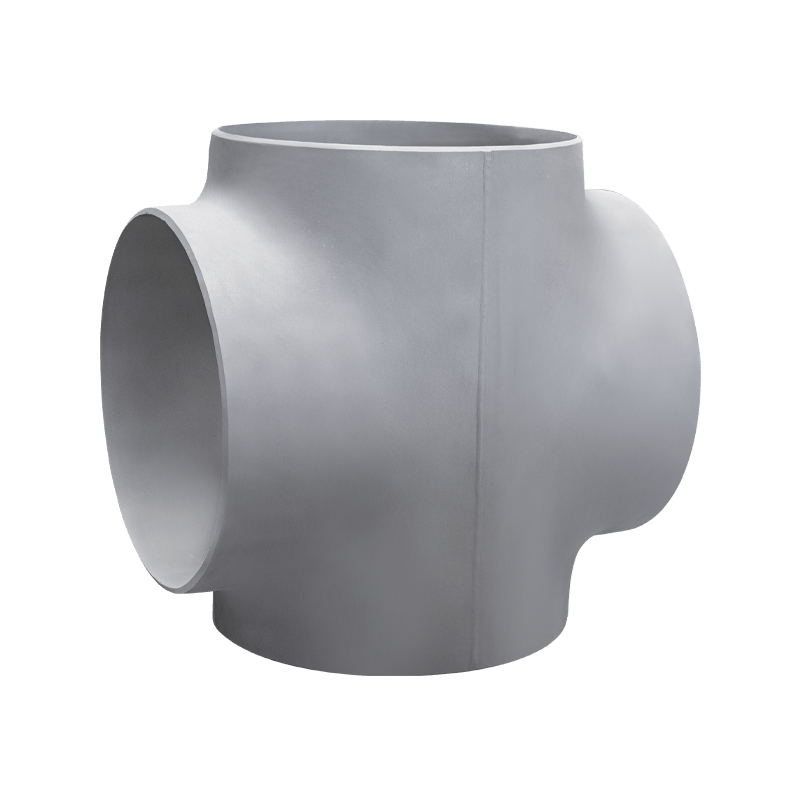
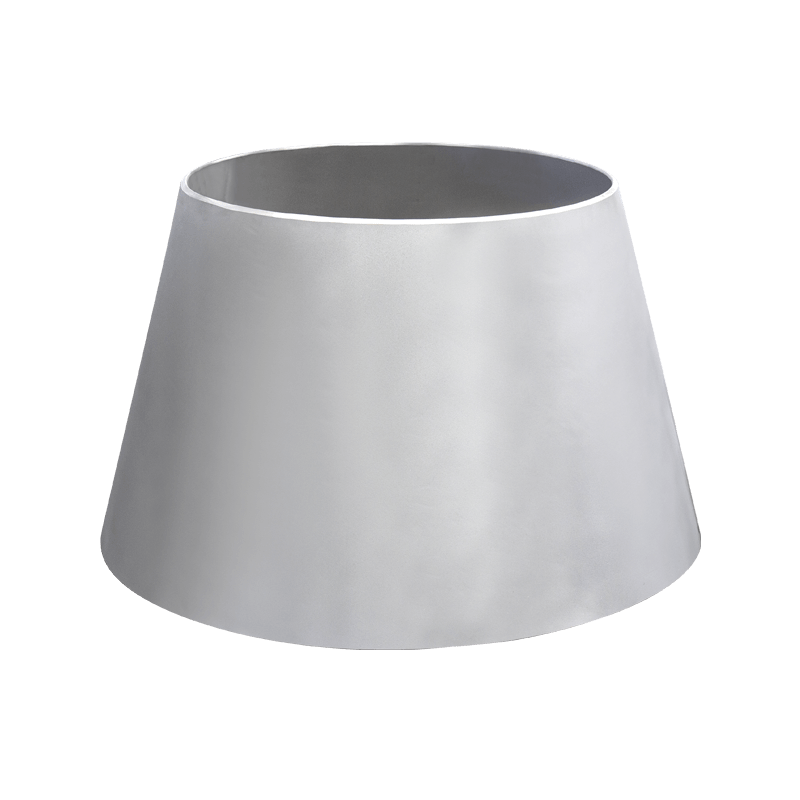
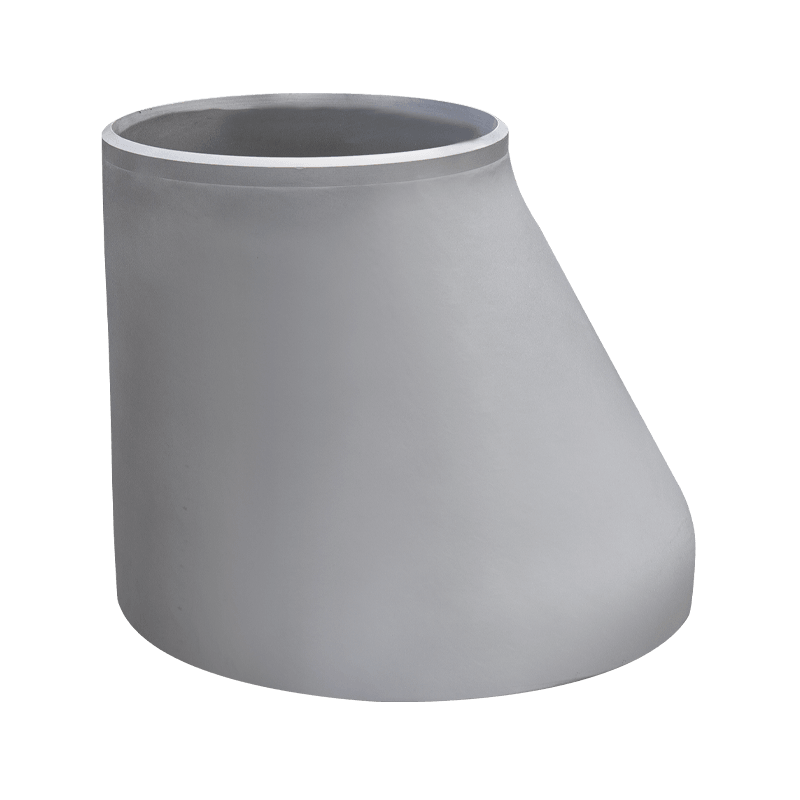
Inconel Technical Standards
| Material Property | Inconel 625 / 718 Detail |
|---|---|
| Material Grade | UNS N06625, UNS N07718 |
| Density | 8.44 g/cm³ (Inconel 625) |
| Melting Point | 1290°C – 1350°C |
| Standard Compliance | ASTM B366, ASME SB366 |
| Common Sizes | 1/2" to 12" (Larger sizes custom) |
Aerospace & Subsea Deployment
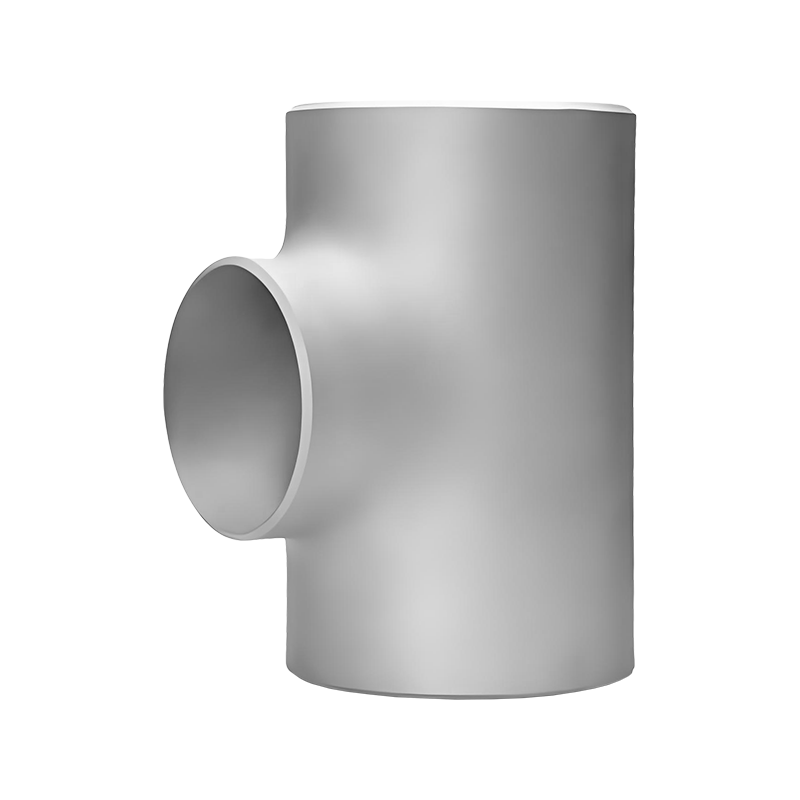
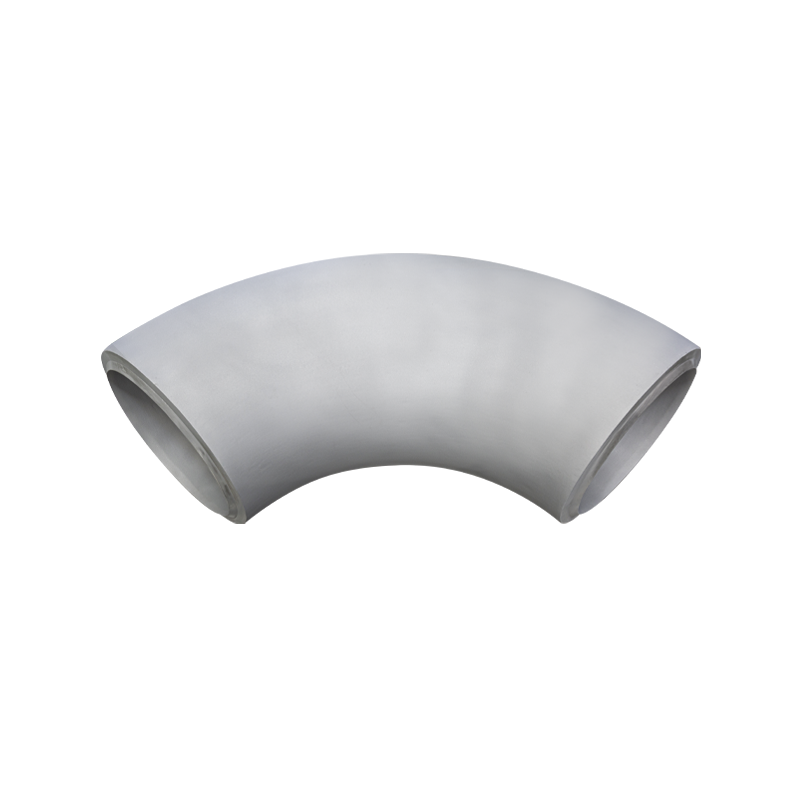
Inconel fittings are the primary choice for the most hostile environments known to engineering. In the offshore oil and gas industry, Inconel 625 is used for subsea wellhead components and sour gas (H2S) pipelines where corrosion resistance is non-negotiable. The aerospace industry utilizes Inconel 718 for engine fuel lines and exhaust manifolds due to its high-temperature creep strength. In chemical processing, these fittings handle highly acidic media, such as phosphoric and sulfuric acids, at elevated temperatures. They are also essential in the nuclear sector for reactor core components and steam generator tubing. Because Inconel does not become brittle at sub-zero temperatures, it is also found in cryogenic storage systems and space exploration hardware. Its versatility and ruggedness make it the ultimate insurance policy against material failure in high-risk zones.
Superalloy Performance Benefits
- Extreme Temperature Stability: Retains structural integrity in conditions that would melt or weaken standard carbon steels.
- Universal Corrosion Resistance: Resistant to a vast array of organic and inorganic acids, as well as high-salinity seawater.
- High Pressure Capacity: Superior yield strength allows for higher pressure ratings even in thin-walled configurations.
- Resistance to Embrittlement: Excellent performance in both cryogenic and high-heat environments without losing ductility.