Language
 English
 中文简体
中文简体 русский
 Español
 عربى
عربى
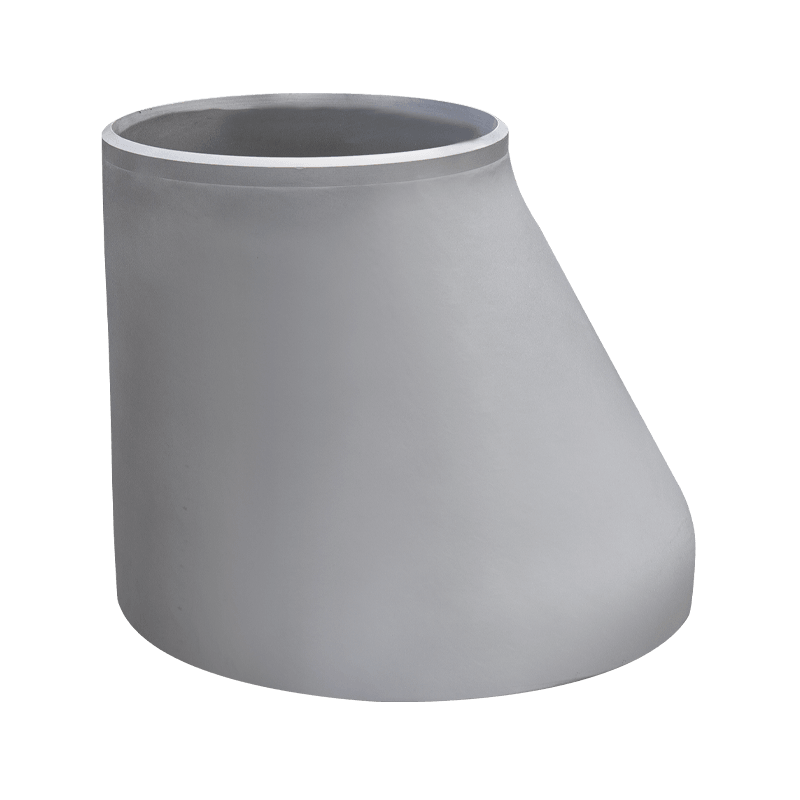
Threaded Fitting Technical Specifications
| Parameter | Specification Detail |
|---|---|
| Material Grades | ASTM A182 F304/F304L, F316/F316L (UNS S30400/S31603) |
| Thread Standards | ASME B1.20.1 (NPT), BS 21 (BSPT), DIN 2999 (Rp) |
| Design Standard | ASME B16.11 (Class 2000/3000/6000), BS 3799 |
| Pressure Rating | Class 150 to Class 3000 (per ASME B16.11) |
| Size Range | 1/8" to 4" (DN6 - DN100) |
| Surface Finish | Pickled & Passivated, Electropolished (optional) |
Instrumentation & Utility Applications
Stainless steel threaded fittings are the standard connection method for instrumentation and small-bore utility piping throughout the process industries. In oil and gas facilities, they connect pressure gauges, thermowells, flow indicators, and level instruments to main process lines. Chemical plants use them for chemical injection quills, sample point connections, and vent and drain takeoffs on stainless steel process headers. Pharmaceutical facilities use 316L threaded fittings for compressed gas distribution, CIP chemical supply, and instrument air connections in cleanroom environments. The food and beverage industry specifies stainless threaded fittings for utility services including compressed air, CO2 injection, and potable water connections adjacent to production equipment. Marine and offshore applications use 316L threaded fittings for small-bore instrument impulse lines, hydraulic control lines, and chemical injection manifolds on subsea trees and topside equipment. HVAC systems use them for condensate collection, chemical dosing, and pressure gauge connections on chillers and heat exchangers.
Installation & Corrosion Advantages
- No Hot Work Required: Threaded assembly eliminates the need for welding, hot work permits, and post-weld heat treatment, dramatically simplifying installation in operational facilities.
- Full Disassembly: Threaded connections can be broken and remade without pipe cutting, enabling easy access for instrumentation calibration, equipment maintenance, and process modifications.
- 316L Corrosion Resistance: Molybdenum content provides superior pitting resistance compared to 304 SS, making 316L the correct choice for marine, offshore, and chemical service environments.
- Wide Thread Standard Availability: Available in NPT, BSP, and metric threads, ensuring compatibility with international instrumentation and equipment from any global manufacturer.