Language
 English
 中文简体
中文简体 русский
 Español
 عربى
عربى
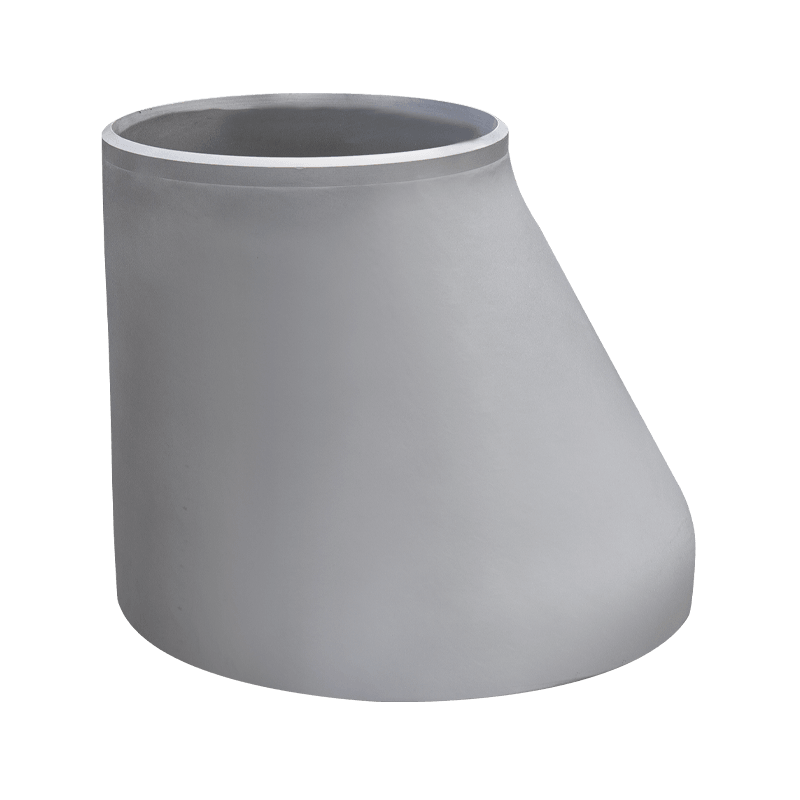
Marine Specification Details
| Technical Category | Marine Specification |
|---|---|
| Material Grade | ASTM A182 F316L (UNS S31603) |
| Standards | ASME B16.5, JIS B2220, DIN 2576 |
| Pressure Classes | 150#, 300#, 5K, 10K, 16K |
| Size Range | DN15 to DN1000 (1/2" to 40") |
| Surface Treatment | Pickled, Passivated, Mirror Polish (Optional) |
| Certification | Full MTC 3.1, CCS/DNV/BV compliant |
Shipbuilding & Offshore Applications
These 316L slip-on flanges are extensively used in shipbuilding for seawater cooling systems, fuel oil transfer lines, and firewater mains. On offshore platforms, they serve in desalination units and wastewater treatment systems. Their ease of alignment makes them ideal for the tight spaces found in vessel engine rooms and pump skids. They are also common in coastal chemical processing plants where atmospheric salt levels are high. Because 316L is non-reactive, these flanges are also utilized in cruise ship potable water systems and food-handling areas. Their versatility allows them to be used across diverse marine platforms, from commercial tankers to offshore wind farm substations, providing a secure and maintenance-free connection in the most challenging maritime conditions.
Operational Advantages
- Superior Marine Pitting Resistance: The molybdenum content in 316L protects the flange faces from chloride-induced corrosion.
- Low Installation Cost: Slip-on flanges require less precision in pipe cutting and are easier to align than weld neck types.
- Dual Internal/External Welds: Welding on both sides of the flange provides a strong seal and structural stability.
- Low Carbon Integrity: The 316L grade prevents sensitization during welding, maintaining corrosion resistance in the heat-affected zone.