Language
 English
 中文简体
中文简体 русский
 Español
 عربى
عربى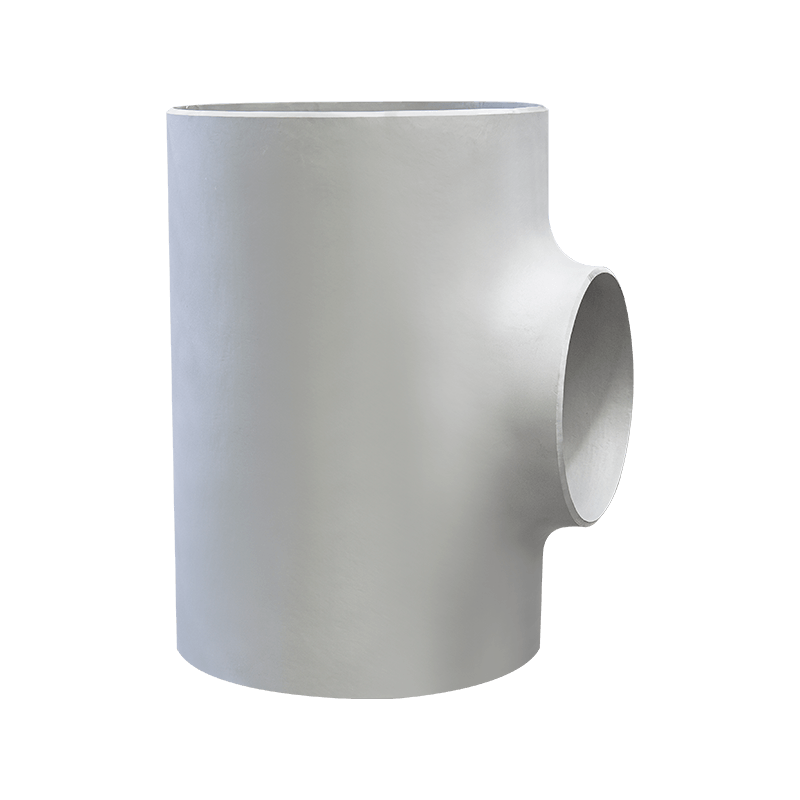
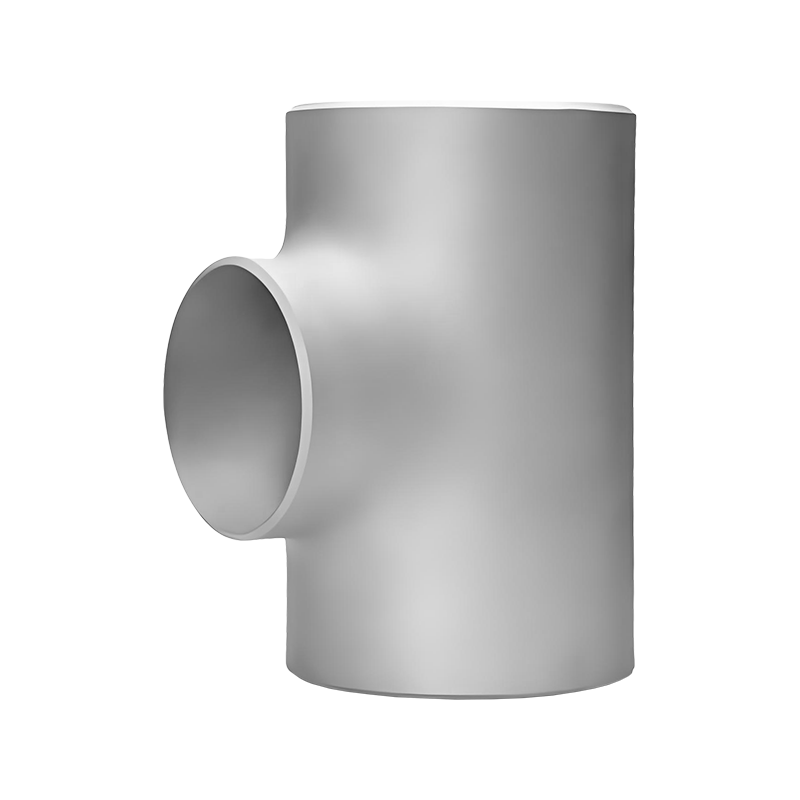
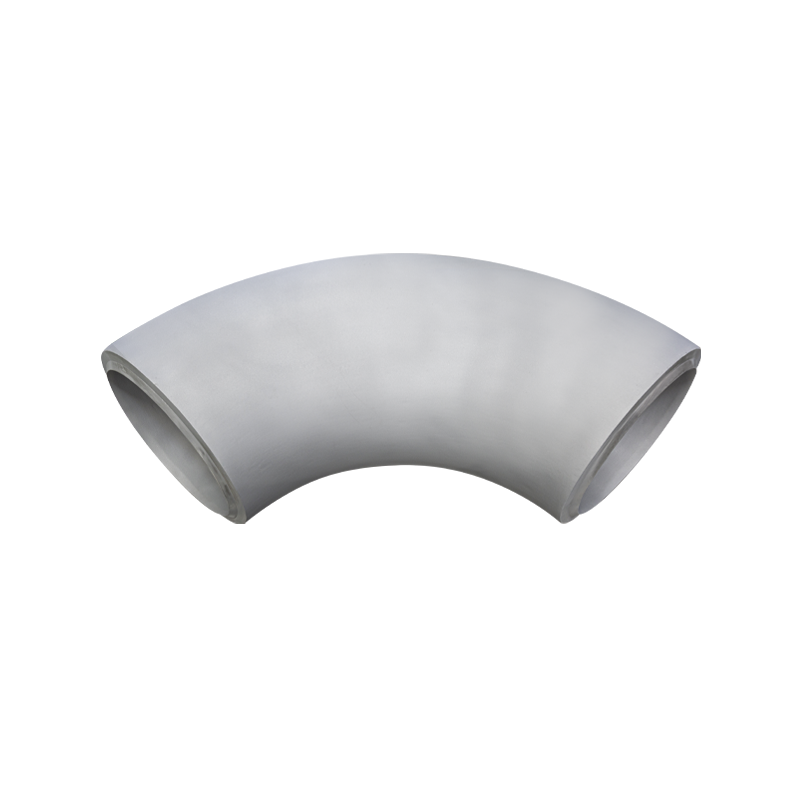
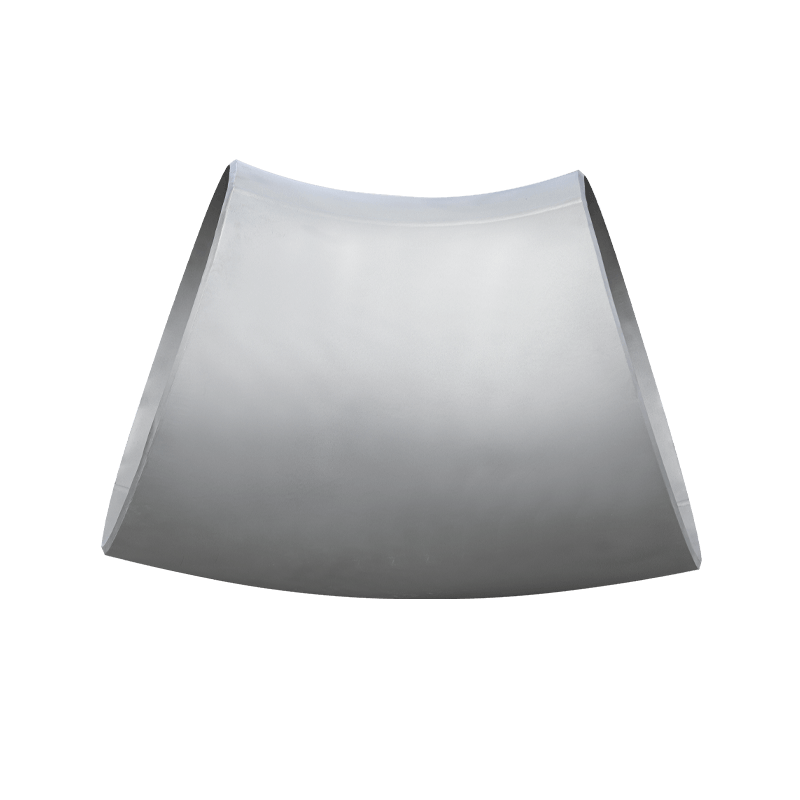
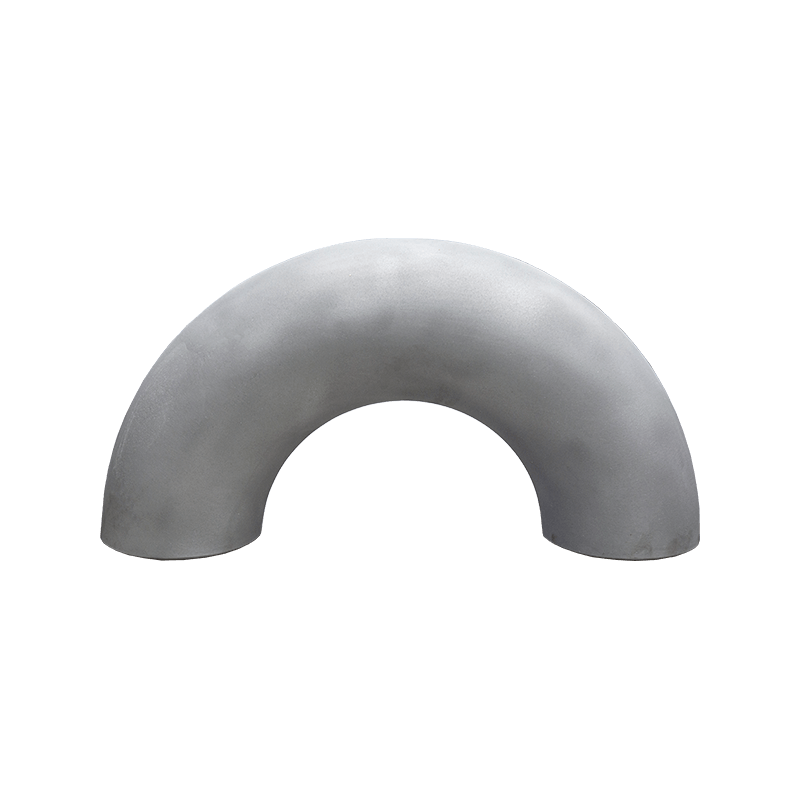
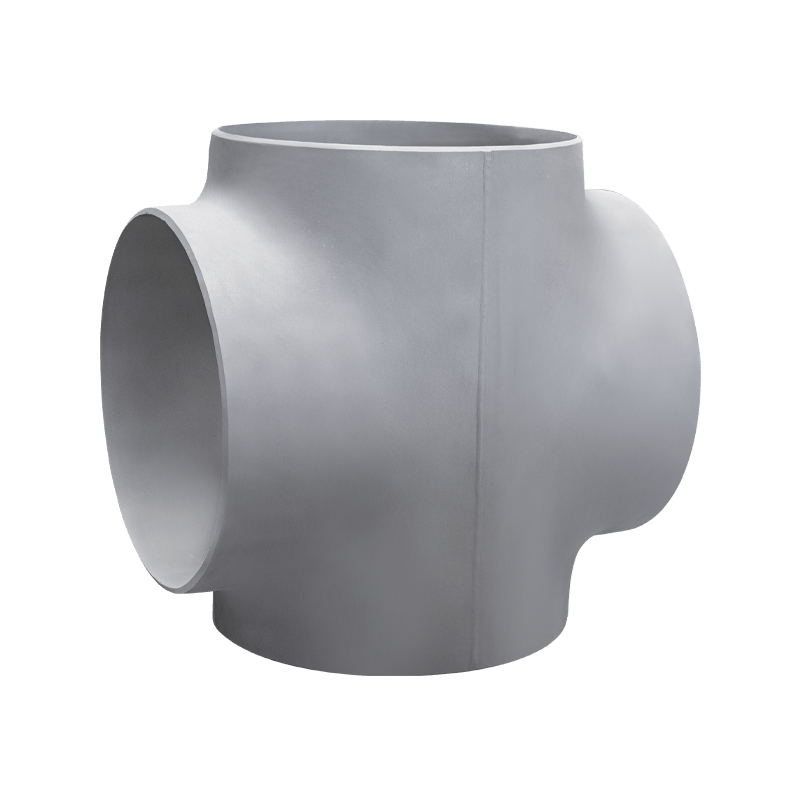
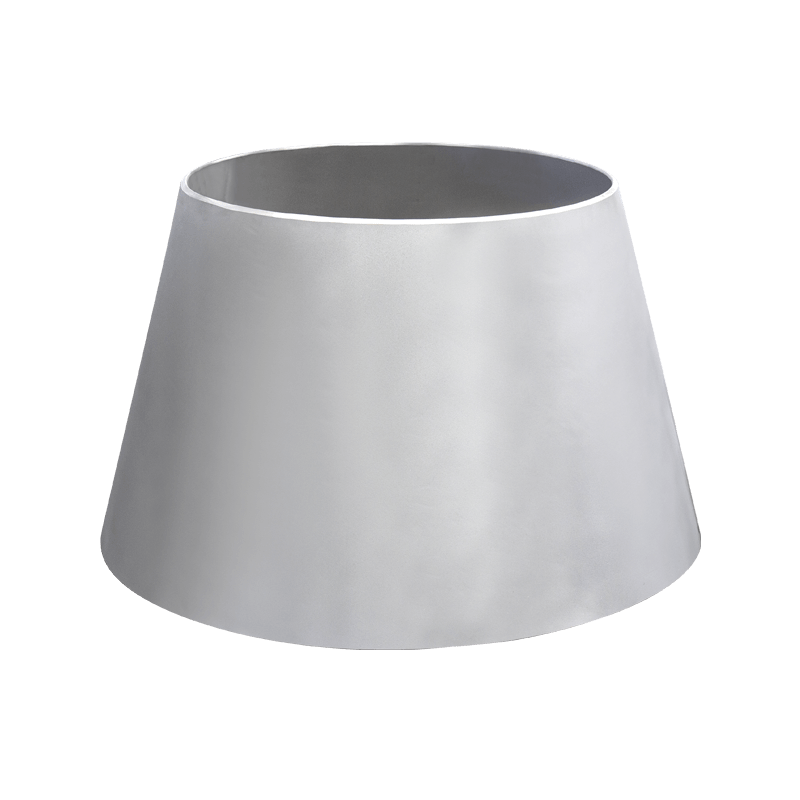
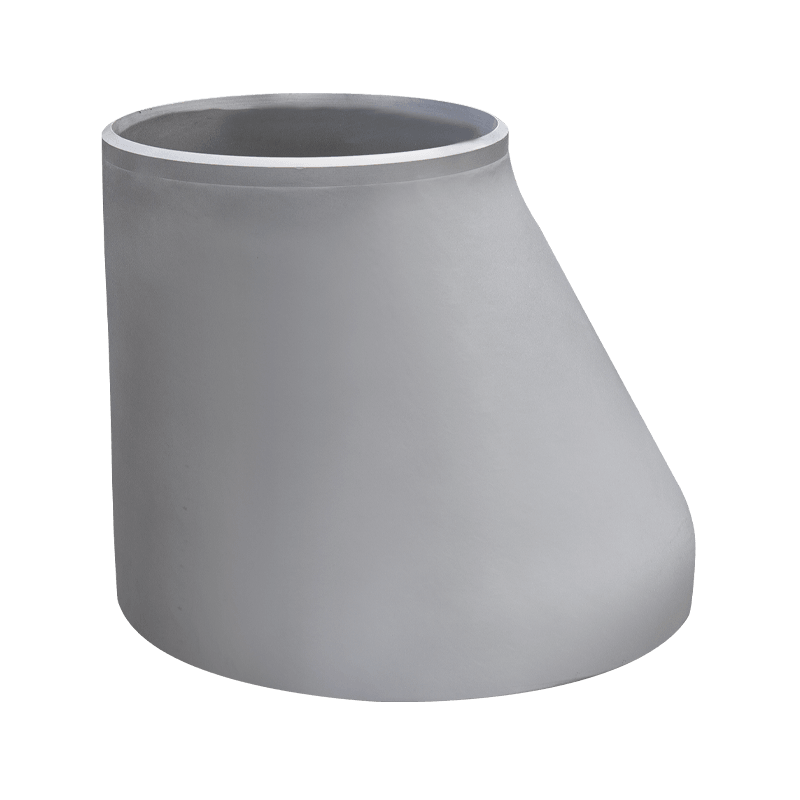
Duplex Steel Fitting Technical Data
| Parameter | Specification Detail |
|---|---|
| Material Grades | Duplex 2205 (S31803/S32205), Super Duplex 2507 (S32750) |
| Design Standard | ASTM A815 WP-S/WP-W, ASME B16.9, MSS SP-43 |
| Yield Strength | 450 MPa (2205) / 550 MPa (2507) minimum |
| PREN Value | ≥34 (Duplex 2205) / ≥40 (Super Duplex 2507) |
| Size Range | 1/2" to 24" (DN15 - DN600) |
| Ferrite Content | 35-65% (solution annealed, tested per ASTM E562) |
Chemical Processing Applications
Duplex stainless steel fittings serve a wide range of the most corrosion-challenging chemical processing duties. In chloride-containing environments—including chlorinated solvent production, hydrochloric acid handling at moderate concentrations, and bleach (NaOCl) processing—Duplex 2205 dramatically outperforms 316L by resisting the stress corrosion cracking and pitting that would rapidly perforate austenitic steel. Phosphoric acid plants use Duplex fittings for wet process acid handling where the combination of acidity and fluoride ion content attacks austenitic steels. Sulfuric acid alkylation units in refineries use them for acid-hydrocarbon emulsion transfer lines. Organic chemical plants producing acetic acid, formic acid, and lactic acid rely on Duplex for their elevated-temperature acid product lines. Pulp and paper mills use Duplex 2205 fittings in bleach plant piping carrying chlorine dioxide and hypochlorite solutions. Fertilizer plants handling ammonium phosphate and phosphoric acid specify Duplex for its combination of strength and corrosion resistance in slurry piping systems.
Chemical Resistance Advantages
- Chloride SCC Immunity: The duplex microstructure provides exceptional resistance to chloride stress corrosion cracking—the most common cause of sudden, unpredictable austenitic stainless steel failure in chemical plant service.
- Superior Pitting Resistance: PREN values of ≥34 (2205) and ≥40 (2507) deliver robust protection against pitting and crevice corrosion in concentrated chloride and aggressive acid environments.
- High Strength Reduces Wall Thickness: Twice the yield strength of 316L allows piping designers to specify thinner walls at equivalent pressure ratings, significantly reducing material costs in expensive alloy piping systems.
- Broad Chemical Compatibility: Duplex grades resist a wide spectrum of organic and inorganic acids, chloride solutions, and bleaching agents, simplifying material selection across complex multi-chemical plant environments.