Language
 English
 中文简体
中文简体 русский
 Español
 عربى
عربى
Material Selection for Butt Weld Fittings Choosing the right material is the first step in selecting...
Home / News / Industry News / How Do You Choose the Right Flat Welding Flange for Your Piping System?
How Do You Choose the Right Flat Welding Flange for Your Piping System?

Content
Flat welding flanges are among the most widely used pipe fittings in industrial piping systems, valued for their simplicity, cost-effectiveness, and ease of installation. Also known as slip-on welding flanges, these components play a critical role in connecting pipes, valves, pumps, and other equipment while providing a reliable point for maintenance access. This article examines the design characteristics, applications, and practical considerations engineers and procurement professionals should understand when selecting flat welding flanges for their projects.
What Is a Flat Welding Flange?
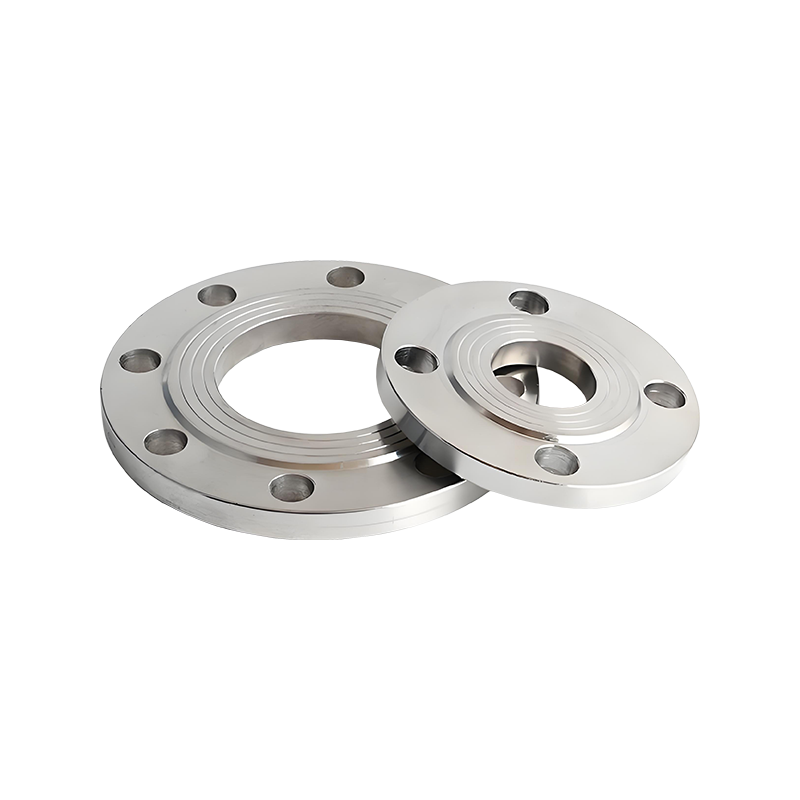
A flat welding flange, commonly referred to as a slip-on flange, is a type of pipe flange designed to slip over the end of a pipe before being secured with two fillet welds, one on the inside and one on the outside of the flange. This dual-weld design provides adequate strength for moderate pressure applications while simplifying the installation process compared to other flange types such as weld neck flanges.
The flat face design refers to the sealing surface of the flange, which is machined flat rather than raised. This configuration is typically paired with soft gasket materials and is often used when connecting to equipment made from cast iron or other materials that cannot withstand the concentrated stress of a raised face flange.
Key Design Features and Benefits
Ease of Alignment and Installation
Because the flange slips over the pipe before welding, installers have greater flexibility to align the flange properly with mating flanges or equipment before completing the weld. This reduces installation time and labor costs compared to flanges requiring precise pipe-end preparation, making flat welding flanges a practical choice for large-scale piping projects.
Lower Material and Fabrication Costs
Flat welding flanges generally cost less to manufacture than weld neck flanges since they require less material and simpler machining. This cost advantage makes them an attractive option for projects with tighter budgets or applications where extreme pressure and temperature resistance are not primary concerns.
Suitable for Low to Moderate Pressure Systems
While flat welding flanges are not typically recommended for high-pressure or cyclic loading applications due to their lower fatigue strength compared to weld neck flanges, they perform reliably in low to moderate pressure systems such as water treatment plants, HVAC systems, and general industrial piping.
Common Standards and Dimensional References
Flat welding flanges are manufactured according to various international standards, ensuring compatibility across different piping systems and equipment. The most commonly referenced standards include ASME B16.5 for flanges up to 24 inches in diameter, ASME B16.47 for larger diameter flanges, and EN 1092-1 for European piping systems. Selecting the correct standard is essential to ensure proper fit and function within a given piping network.
| Standard | Size Range | Typical Region |
| ASME B16.5 | 1/2" - 24" | North America |
| ASME B16.47 | 26" - 60" | North America |
| EN 1092-1 | DN10 - DN4000 | Europe |
| JIS B2220 | 10A - 1500A | Asia |
Beyond diameter, engineers must also consider pressure class ratings, such as Class 150, 300, or 600, which determine the flange's bolt pattern, thickness, and pressure-temperature rating. Matching the pressure class to the operating conditions of the system is essential for safe and reliable performance.
Material Selection for Flat Welding Flanges
Material choice significantly affects the performance and longevity of a flat welding flange. Common material options include:
- Carbon steel, ideal for general industrial applications with moderate temperature and pressure requirements
- Stainless steel, suited for corrosive environments and food or pharmaceutical processing
- Alloy steel, used in high-temperature or high-stress applications such as power generation
- Duplex stainless steel, offering enhanced strength and corrosion resistance for offshore or chemical processing systems
Choosing the correct material requires evaluating the fluid or gas being transported, ambient and operating temperatures, and exposure to corrosive elements. Consulting material compatibility charts or working with an experienced supplier can help avoid premature failure due to material mismatch.
Installation Best Practices
Proper Welding Technique
Since flat welding flanges rely on fillet welds for structural integrity, following proper welding procedures is critical. Both the inner and outer welds should be completed according to applicable welding codes, with attention paid to weld size, penetration, and inspection to prevent leaks or structural weakness over time.
Gasket Selection and Bolt Torque
Selecting an appropriate gasket material compatible with the flat face design, along with applying correct bolt torque values, helps ensure a secure and leak-free seal. Uneven or insufficient torque is a common cause of flange joint failure, so following manufacturer torque specifications and using a calibrated torque wrench is recommended.
Conclusion
Flat welding flanges offer a practical, economical solution for a wide range of piping applications, particularly where installation flexibility and moderate pressure ratings are sufficient. By understanding relevant standards, selecting appropriate materials, and following proper installation practices, engineers and procurement teams can ensure reliable, long-lasting piping connections. Working with a knowledgeable supplier who can provide material certifications and technical support further reduces risk and helps achieve optimal system performance.
Latest News
News And Blogs
Stay Informed About Our Recent Events