Language
 English
 中文简体
中文简体 русский
 Español
 عربى
عربى
Material Selection for Butt Weld Fittings Choosing the right material is the first step in selecting...
Home / News / Industry News / What Is a Series A Flange? It Corresponds to MSS SP-44 Steel Pipeline Flange Spec
What Is a Series A Flange? It Corresponds to MSS SP-44 Steel Pipeline Flange Spec

Content
ASME B16.47 Series A Flanges: The Direct Answer
A Series A flange corresponds to the former steel pipeline flange specification known as MSS SP-44. In modern project documentation, the full callout is usually written as ASME B16.47 Series A. This standard covers large-diameter flanges from NPS 26 through NPS 60, giving pipeline engineers the same familiar geometry that MSS SP-44 once described.
Series A is a dimensional system, not a material grade and not a pressure rating. The same Series A geometry can be manufactured in carbon steel, low-temperature carbon steel, stainless steel, alloy steel, or duplex stainless. The material grade is selected separately from the flange dimensions, depending on the service.
For mainline service, the Series A weld-neck flange is the most common choice because the tapered hub transfers bending load from the pipe into the flange without creating a sudden stress concentration.
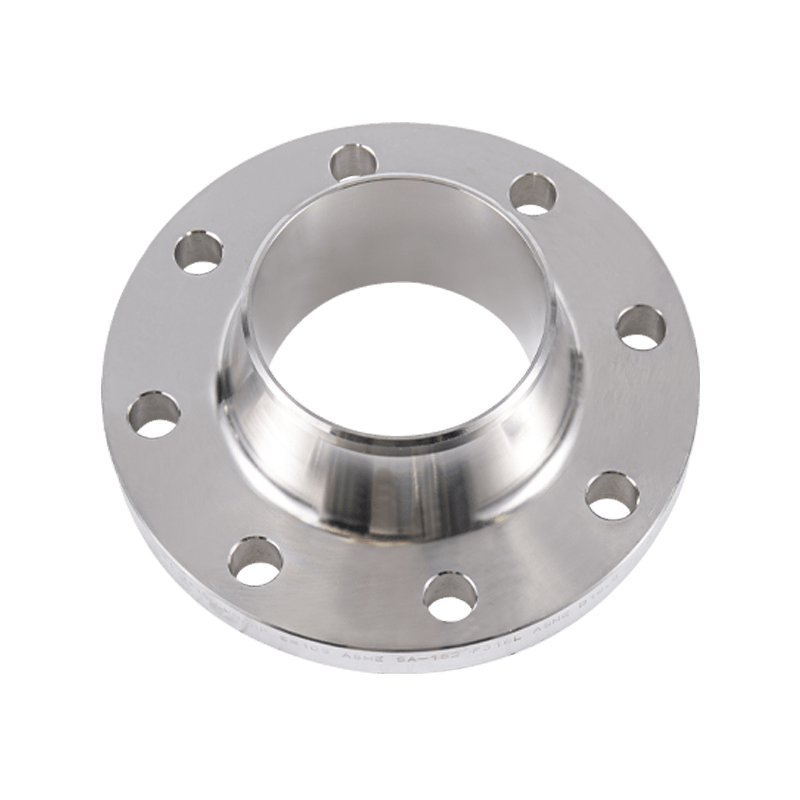 Weld Neck Flange Suppliers, Custom CompanyGaoxin Pipe Fittings is China stainless steel Weld Neck Flange Suppliers, Custom carbon/alloy steel Weld Neck Flange Company, Diamete...View Product →
Why MSS SP-44 Became Series A
MSS SP-44 was originally published under the title Steel Pipeline Flanges. It was written for cross-country line pipe, where flange sizes are too large for the ordinary ASME B16.5 range. When ASME B16.47 was introduced to cover large-diameter flanges, the MSS SP-44 geometry was carried into the standard as Series A.
This is why the phrase “Series A flange corresponds to former steel pipeline flange specification” is accurate. A project drawing that still says MSS SP-44 is describing the same flange body geometry that ASME B16.47 now calls Series A. The modern procurement reference may be different, but the design root is the same.
Series A flanges cover Class 150, 300, 400, 600, and 900 for NPS 26 through NPS 60. You rarely see all of these classes in one pipeline project, but the same Series A dimensional system is used across the range.
Series A vs. Series B: The Two Bodies in B16.47
Why the distinction is not academic
ASME B16.47 contains two independent flange dimension systems. Series A follows the former MSS SP-44 steel pipeline flange geometry. Series B follows the API 605 large-diameter flange configuration. Both series cover the same nominal size range and similar pressure classes, but the dimensions are not the same. Series A and Series B flanges are not interchangeable.
| Item | Series A | Series B |
|---|---|---|
| Design basis | MSS SP-44, Steel Pipeline Flanges | API 605 large-diameter flange configuration |
| Size range | NPS 26 through NPS 60 | NPS 26 through NPS 60 |
| Pressure classes | 150, 300, 400, 600, 900 | 150, 300, 400, 600, 900 |
| Interchangeability | Not interchangeable with Series B | Not interchangeable with Series A |
A drawing that says “ASME B16.47” without specifying Series A or Series B is incomplete. The outside diameter, bolt circle, number of bolt holes, hub length, and facing dimensions can all differ between the two series. Ordering from an incomplete callout is a real procurement risk, especially at large diameters where a wrong flange cannot simply be forced into position.
Ring Type Joint facing for high-pressure gas lines
For high-pressure gas transmission, the sealing face is often a Ring Type Joint groove rather than a raised face. The groove geometry must match the exact pressure class and series. If the adjacent flange is a Series A flange, a newly supplied flange with a Series B bolt pattern will not match even when the pressure rating is identical. This matters when you are replacing valves, pig traps, or meter runs in an existing station.
For projects with this duty, alloy-steel Ring Type Joint flanges for high-pressure gas transmission pipelines are a practical option.
How to Specify a Series A Flange
Start with the complete callout in mind. A correct specification includes the standard, series, flange type, nominal size, pressure class, facing, and material. An example would be ASME B16.47 Series A, Class 600 WN, NPS 36, RF, ASTM A105.
- Confirm the pipe outside diameter and wall thickness that the weld-neck flange must match.
- Determine the pressure class and design temperature so the flange rating matches the system.
- Select the sealing face: raised face, flat face, ring type joint, or a project-specific finish.
- Check the bolt circle and number of bolt holes against the existing or mating flange.
- Define the material grade and any inspection requirements, such as UT, MT, PT, or chemical analysis.
The Series A geometry cannot be guessed from nominal size. It has to be checked against the ASME tables or a verified drawing. That is why it pays to work with a fabricator that machines large-diameter flanges regularly.
Materials and quality considerations
Series A flanges are produced in carbon steel, low-temperature carbon steel, stainless steel, alloy steel, and duplex stainless. At Jiangyin Gaoxin Pipe Fittings, we have manufactured pipe fittings and flanges since 1993, and our shop can supply Series A flanges with material certificates, mechanical test reports, and non-destructive testing when required.
For dead-end closures or future tie-in points, a Series A blind flange closes the line with the same bolt pattern and facing as the adjacent weld-neck flange.
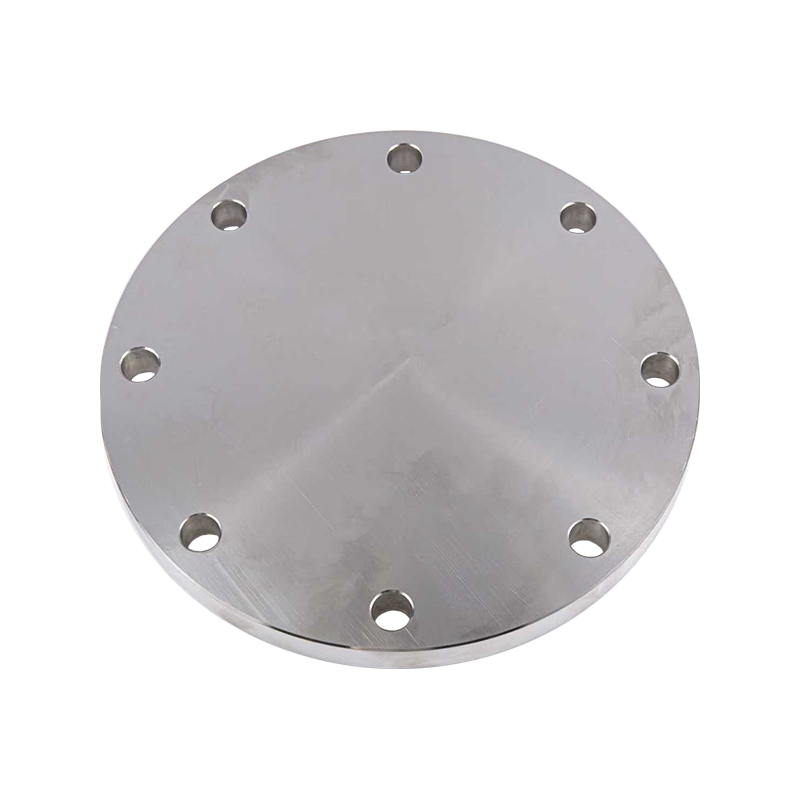 Blind Flange Suppliers, Custom CompanyGaoxin Pipe Fittings is China stainless steel Blind Flange Suppliers, Custom carbon/alloy steel Blind Flange Company, Diameter DN15...View Product →
Where Series A Flanges Are Found in Pipeline Systems
You will meet Series A flanges in long-distance trunk lines, natural-gas compressor stations, terminals, metering skids, offshore topside piping, and large-bore product or water lines. Large-diameter piping is not limited to hydrocarbons; municipal and industrial water projects also need flanges in NPS 26 and larger sizes.
For trunkline tie-ins and isolation points, large-diameter carbon steel blind flanges designed for long-distance trunkline service are commonly supplied with Series A dimensions.
Relation to ASME B16.5 flanges
Up to NPS 24, ASME B16.5 controls most flange dimensions. Above that, ASME B16.47 Series A or Series B takes over. Some projects use B16.5 for the smaller bore lines and B16.47 Series A for the large-diameter section of the same pipeline system. We manufacture ASME B16.5 weld-neck flanges for high-pressure oil and gas pipelines as well as the larger Series A flanges, so the transition between standards is not a problem.
Final recommendation
For any large-diameter pipeline flange, confirm the series before anything else. If the existing design is Series A, stay with Series A. If it is Series B, do not substitute Series A without checking the dimensional tables. The time spent on that simple check avoids the much larger cost of replacing a flange after it reaches the job site.
Latest News
News And Blogs
Stay Informed About Our Recent Events