Language
 English
 中文简体
中文简体 русский
 Español
 عربى
عربى
Material Selection for Butt Weld Fittings Choosing the right material is the first step in selecting...
Home / News / Industry News / How Does a Flat Welding Flange Compare to Slip-On or Threaded Flanges?
How Does a Flat Welding Flange Compare to Slip-On or Threaded Flanges?

Content
Introduction to Flat Welding Flanges
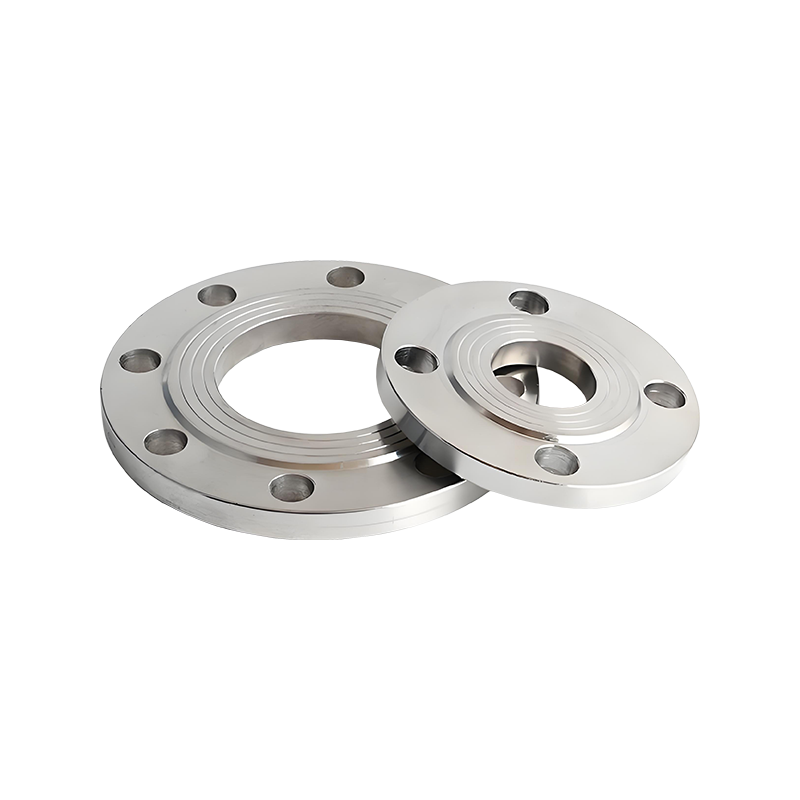
Flat welding flanges, also known as weld neck flanges, are widely used in piping systems to ensure a secure and leak-proof connection. These flanges are designed to be welded directly to the pipe, providing superior strength and durability. Compared to other types such as slip-on or threaded flanges, flat welding flanges offer distinct advantages in terms of structural integrity, pressure handling, and long-term reliability.
Understanding the differences between flat welding, slip-on, and threaded flanges is essential for engineers, designers, and maintenance professionals. The choice of flange type affects installation procedures, system performance, maintenance frequency, and overall project cost.
Design and Structural Differences
The primary distinction among flat welding, slip-on, and threaded flanges lies in their design and method of connection to the piping system. These design differences directly impact mechanical performance and suitability for specific applications.
Flat Welding Flange Design
Flat welding flanges feature a long tapered hub that fits over the pipe and is welded both inside and outside. This design ensures excellent alignment and distributes stress evenly along the pipe. The welding process creates a permanent, strong connection capable of withstanding high pressures and extreme temperatures.
Slip-On Flange Design
Slip-on flanges are designed to slip over the pipe and then are fillet-welded at the hub. They are simpler to install compared to flat welding flanges but generally offer lower pressure ratings. Slip-on flanges are more prone to bending or misalignment under high stress due to their shorter hub and less robust weld connection.
Threaded Flange Design
Threaded flanges connect to pipes by screwing the flange onto a threaded pipe end. This method avoids welding altogether, making it suitable for systems where welding is not feasible. However, threaded flanges are limited in pressure handling and are prone to leakage if not properly tightened or if subjected to vibration or thermal expansion.
Installation and Ease of Use
The installation process varies significantly among these flange types, impacting project time, labor costs, and required equipment.
Welding Requirements for Flat Welding Flanges
Flat welding flanges require skilled welding for proper installation. Both the inner and outer welds must be completed to ensure structural integrity. While this increases installation time and requires certified welders, it guarantees a highly secure and leak-proof connection, suitable for high-pressure and high-temperature applications.
Slip-On Flange Installation
Slip-on flanges are easier to install as they require only a fillet weld around the hub. This reduces installation time and the need for advanced welding skills. However, the weaker weld connection means they are less suitable for high-pressure or high-stress environments.
Threaded Flange Installation
Threaded flanges do not require welding, making them easy to install in locations where welding is impractical. They are ideal for small-diameter piping and temporary systems but are not recommended for high-pressure, high-temperature, or vibrating systems due to potential leakage risks.
Performance and Reliability
Performance metrics such as pressure handling, leak resistance, and durability vary across flat welding, slip-on, and threaded flanges, influencing their industrial suitability.
Pressure and Temperature Ratings
Flat welding flanges offer the highest pressure and temperature ratings due to their welded hub, making them suitable for high-pressure pipelines in chemical, oil, and gas industries. Slip-on flanges provide moderate pressure handling, whereas threaded flanges are generally limited to low-pressure applications.
Leak Resistance
Welded connections in flat welding flanges provide superior leak resistance, essential for critical piping systems. Slip-on flanges, with only fillet welds, are more prone to leaks under stress. Threaded flanges can leak if threads are damaged or not properly sealed with appropriate tape or compound.
Durability and Maintenance
Flat welding flanges are extremely durable and require minimal maintenance, with lifespans often exceeding decades in industrial conditions. Slip-on flanges may require periodic inspection and reinforcement, while threaded flanges are more suitable for temporary or low-stress installations due to potential wear or thread damage over time.
Industrial Applications
The choice of flange type is dictated by the specific industrial application, environmental conditions, and system requirements.
Flat Welding Flange Applications
Flat welding flanges are widely used in high-pressure and high-temperature applications such as oil and gas pipelines, chemical processing, power plants, and high-pressure steam lines. Their robust construction ensures reliability in demanding environments.
Slip-On Flange Applications
Slip-on flanges are common in water treatment, low-pressure chemical lines, and HVAC systems where installation speed and moderate pressure tolerance are prioritized.
Threaded Flange Applications
Threaded flanges are suitable for small-diameter piping, temporary setups, and systems where welding is impractical. Common applications include compressed air lines, gas distribution, and laboratory piping systems.
Comparison Table of Key Features
| Feature | Flat Welding Flange | Slip-On Flange | Threaded Flange |
| Connection Type | Welded hub (full penetration) | Fillet weld around hub | Screwed onto pipe threads |
| Pressure Rating | High | Moderate | Low |
| Installation Complexity | High, skilled welding required | Moderate | Low, no welding |
| Leak Resistance | Excellent | Moderate | Variable, depends on sealing |
| Applications | High-pressure pipelines, chemical & power industries | Water systems, HVAC, low-pressure chemical lines | Small-diameter piping, temporary setups, labs |
Conclusion
Flat welding flanges provide the highest reliability, pressure tolerance, and leak resistance among common flange types. Slip-on and threaded flanges offer easier installation and lower costs but are limited in high-pressure or high-temperature applications. Understanding these differences ensures proper flange selection for specific industrial requirements.
Selecting the right flange type—flat welding, slip-on, or threaded—directly impacts system performance, safety, and maintenance. For critical, high-pressure pipelines, flat welding flanges remain the preferred choice, while slip-on and threaded flanges serve well in moderate or temporary systems.
Latest News
News And Blogs
Stay Informed About Our Recent Events