Language
 English
 中文简体
中文简体 русский
 Español
 عربى
عربى
Material Selection for Butt Weld Fittings Choosing the right material is the first step in selecting...
Home / News / Industry News / Piping Engineering Compliance: How Certified Pipe Fittings & Flanges Prevent Costly Project Delays
Piping Engineering Compliance: How Certified Pipe Fittings & Flanges Prevent Costly Project Delays

Introduction:
In global piping infrastructure, engineering firms (EPCs) have pushed procurement scrutiny to a peak. A single untraceable Material Test Certificate (MTC) or failed weld can cause customs hold-ups or lead to multi-million dollar asset rejections. To eliminate these bottlenecks, top-tier manufacturers are shifting from bulk production to extreme compliance.
1. The Indispensable Rule: Moving from EN 10204 3.1 to Mandatory 3.2 Certification
For high-stakes projects involving nuclear power, offshore platforms, and hydrogen infrastructure, an EN 10204 3.1 Certificate (validated solely by the manufacturer) is no longer enough. EN 10204 3.2 Certification has become a mandatory threshold.
Third-Party Witnessing: All raw material processing must be witnessed by independent agencies like TUV, DNV, BV, or SGS.
Total Traceability: Every flange and fitting must display a clear Heat Number linked to 100% Volumetric Non-Destructive Testing (NDT), such as Radiographic (RT) or Ultrasonic (UT) testing.
2. Engineering for Extreme Conditions: Heavy-Wall Tees & Long Radius Elbows
Under high-pressure and cyclic loading, connection points are the weakest links in a piping network. Manufacturing these components requires flawless execution:
Grain Flow Integrity: During the closed-die forging of heavy-wall tees, improper Normalizing or Solution Annealing causes internal residual stress, leading to micro-cracks.
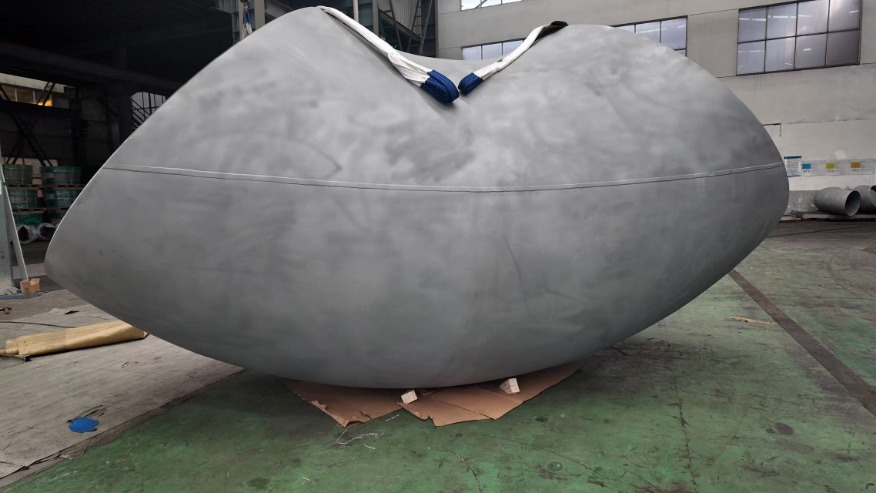
Precision Tolerances: Per ASME B16.9, the ovality and bevel end configuration of large-diameter elbows directly affect on-site welding speed. Advanced plants use 3D Laser Scanning Inspection to guarantee a 99.99% factory acceptance rate.
Latest News
News And Blogs
Stay Informed About Our Recent Events