Language
 English
 中文简体
中文简体 русский
 Español
 عربى
عربى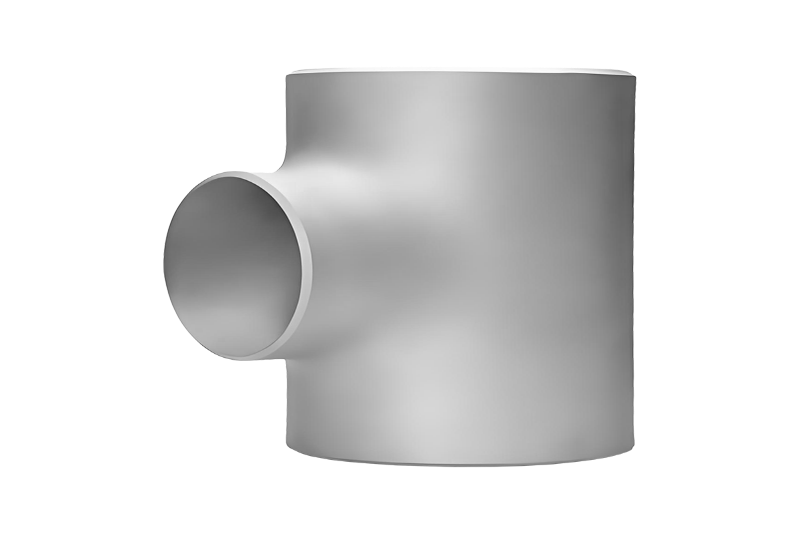
Material Selection for Butt Weld Fittings Choosing the right material is the first step in selecting...
Home / News / Industry News / Case Study Oil and Gas Industry: How Pipe Fittings Drive Project Success
Case Study Oil and Gas Industry: How Pipe Fittings Drive Project Success

Content
In one case study from the oil and gas industry that still comes up during engineering audits, a 24-inch gas transmission line failed its pre-commissioning hydrostatic test at a forged tee branch. The tee had the correct nominal size, but the material test report lacked impact test values and the carbon equivalent exceeded the project limit. The crack propagated through the weld during pressure ramp-up. The operator was forced to cut out the fitting, source a replacement, re-qualify the weld procedure, and retest. The nine-week delay and USD 1.8 million in rework turned a small line item into a project-level event. That is the kind of failure a good case study in the oil and gas industry should teach buyers to prevent.
What a Case Study Oil and Gas Industry Project Usually Exposes
When we review case studies from oil and gas projects, three root causes appear again and again. They are not reservoir complexity or drilling depth. They are material mismatches, dimensional nonconformity, and incomplete documentation.
- Material mismatch: a fitting made from an unapproved grade, or a grade that does not match the certified test report.
- Dimensional nonconformity: wall thickness below tolerance, out-of-round ends, and incorrect facing dimensions.
- Documentation gaps: missing heat numbers, missing NDT reports, or vague statements about compliance instead of actual test data.
In one North Sea project, seawater injection piping fabricated from 316L suffered chloride stress corrosion cracking within three years because the original design required super duplex 2507. The procurement team saw an opportunity to reduce cost and accepted a substitution without a full metallurgical review. The repair campaign required platform shutdown and saturation diving. The material grade, not the pipe design, was the root cause.
Material Selection and Traceability Are Non-Negotiable
The first conclusion from any oil and gas case study is that material selection is a safety decision. Carbon steel fittings for standard hydrocarbons are not the same as low-temperature WPL6 fittings for arctic service. High-temperature steam systems need alloy steels such as P91 or 15CrMo. Seawater systems need duplex or super duplex grades. Each material has a specific minimum yield strength, impact resistance, and corrosion behavior. If the delivered grade does not match the design basis, the entire pressure boundary is at risk.
| Material Grade | Typical Service | What a Failure Case Study Often Shows |
|---|---|---|
| A234 WPB carbon steel | Sweet gas, produced water, moderate pressure | Weld cracking when carbon equivalent exceeds specification |
| WPL6 low-temperature carbon steel | Arctic or low-temperature service | Brittle fracture when impact tests are missing |
| 316L stainless steel | Chemical processing, marine environments | Chloride stress corrosion cracking in hot seawater |
| Duplex 2205 / Super duplex 2507 | Seawater, sour service, high chloride | Pitting or crevice corrosion when duplex phase balance is wrong |
| P91 alloy steel | High-temperature steam and power generation | Premature creep failure when heat treatment is not controlled |
A reliable supplier must provide a complete material test certificate with every batch, including heat numbers, chemical composition, mechanical properties, and any required heat treatment. Traceability is not paperwork for paperwork's sake. It is the only link between the finished fitting and the original raw material. When a case study from the oil and gas industry identifies a material failure, the follow-up almost always begins with a traceability audit. For that reason, we make sure that products such as butt-weld 90 degree elbows used in critical service carry full material traceability and leave the factory with complete documentation.
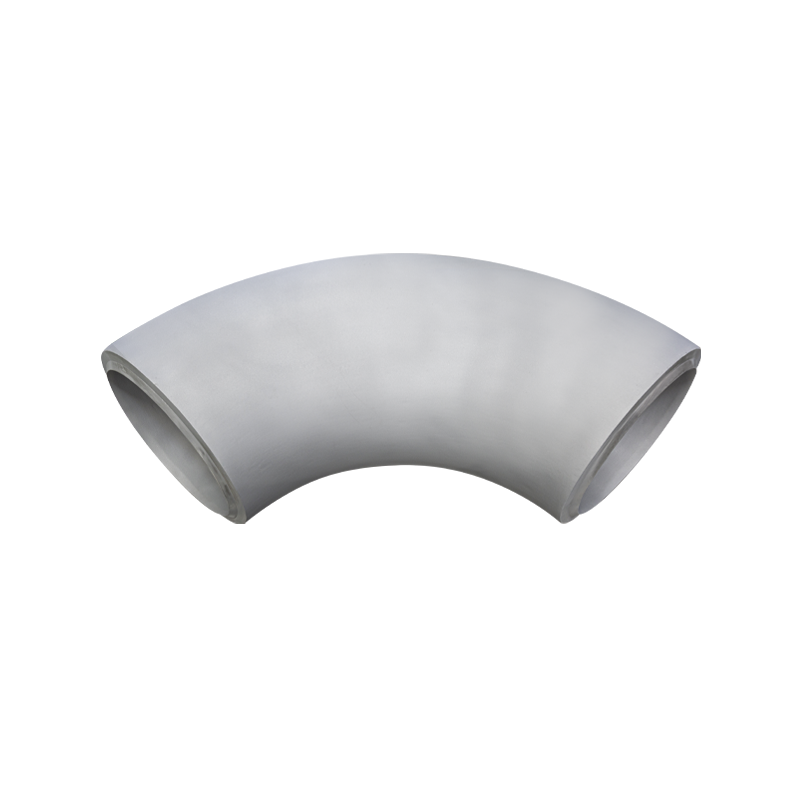 Butt Weld 90 Degree Elbow Manufacturers, FactoryGaoxin is China Wholesale Butt Weld 90 Degree Elbow Manufacturers, Large Diameter Elbows Factory, offer (PED, AD2000, EAC, ABS Certificat...View Product →
Flanges are equally important. For high-pressure wells, the connection between piping and equipment is where leakage is most likely. Standards such as ASME B16.5 define the critical dimensions and facing finishes for ASME B16.5 weld neck flanges for high-pressure oil and gas pipelines.
Geometry, Tolerances, and Fit-Up Affect Weld Quality and In-Service Life
A second lesson from oil and gas case studies is that dimensional tolerance is an asset in safe installation. A fitting may be within ASTM material grade, but if the end is oval, the wall is too thin, or the center-to-end dimension is off, the welding team will spend hours aligning the joint. In some cases, they will use force to close the gap, leaving residual stresses that reduce fatigue life.
ASME B16.9 sets tolerances for butt-weld fittings, and ASME B16.5 does the same for flanges. These numbers look small on paper, but they have an outsized effect on fit-up. For a large-diameter elbow, a few millimetres of ovality can make the difference between a smooth root pass and a difficult weld that requires rework.
One compressor station project in our experience rejected a full batch of 36-inch carbon steel elbows because the pipe ends exceeded the allowable ovality. The contractor could not align them with the adjacent spools. Production stopped for six weeks while emergency replacements were manufactured. The extra cost was more than the original purchase order. Understanding this, we verify dimension and wall thickness on every critical product before shipment. Items such as butt-weld equal tees with welded branch connections are inspected not only for material grade but also for end alignment and branch geometry.
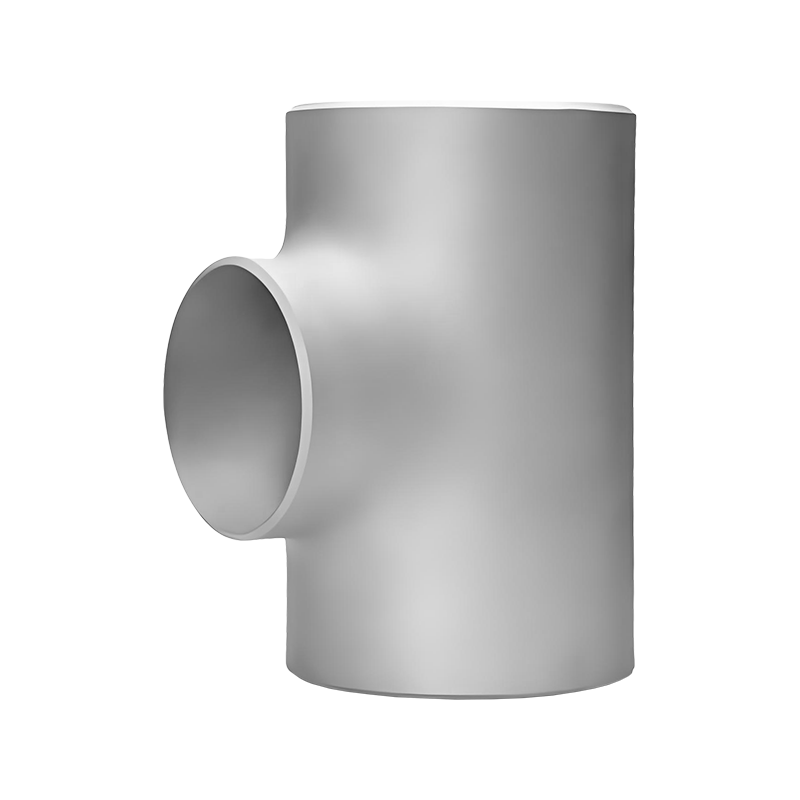 Butt Weld Equal Tee Suppliers, Custom CompanyGaoxin Pipe Fittings is China stainless steel Butt Weld Equal Tee Suppliers, Custom carbon/alloy steel Butt Weld Equal Tee Company, S...View Product →
Procurement Lessons from Oil and Gas Case Studies
The most practical output of a case study oil and gas industry review is a checklist for procurement. When you specify piping components, close the gaps before they reach the site.
- Define the governing standard explicitly: ASME B16.9 for butt-weld fittings, ASME B16.5 for flanges, and the applicable ASTM material standard.
- Require material certificates with heat numbers and impact test results when the service temperature is below design minimum.
- Perform incoming dimensional inspection using calibrated tools, not visual checks.
- Use a supplier with verified NDT capability: MT, PT, UT, or RT, so defects are caught at the factory rather than at site.
The vendors that consistently pass oil and gas audits are not the ones with the longest glossy brochures. They are the ones with in-house NDT personnel, documented inspection procedures, and a willingness to share test data. At Jiangyin Gaoxin Pipe Fittings, we have built our quality system around these realities. Our team includes certified mid-level NDT inspectors for MT, PT, UT, and RT, and our shop carries commonly used specifications in stock to shorten lead times.
For a high-pressure gas pipeline or an offshore platform, a weld neck flange with a properly machined hub is as important as the pipe itself. We also offer a wide range of oil and gas carbon steel pipe fittings for projects that need traceable, standard-compliant components.
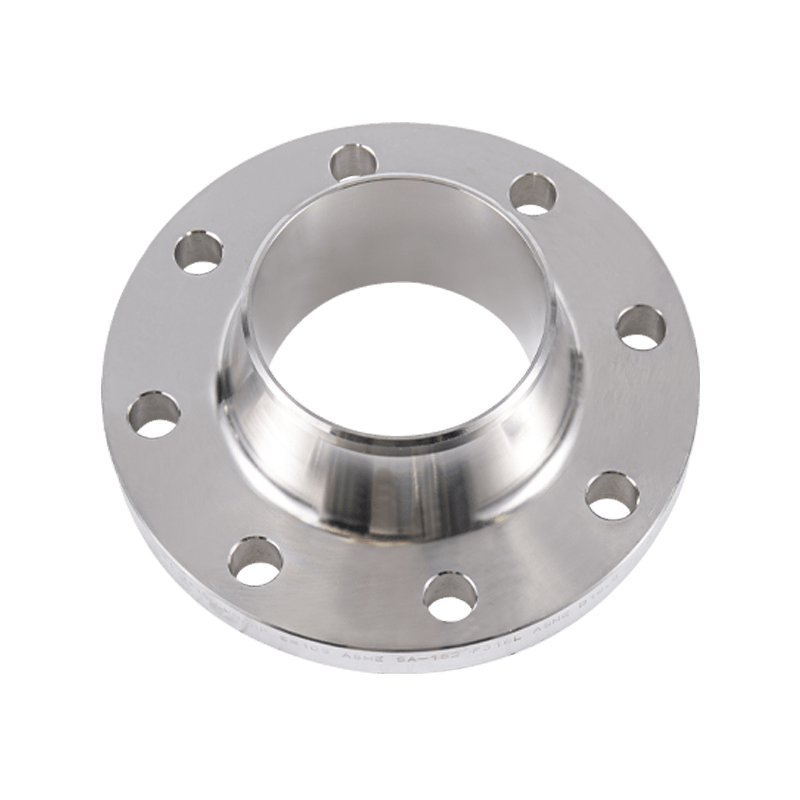 Weld Neck Flange Suppliers, Custom CompanyGaoxin Pipe Fittings is China stainless steel Weld Neck Flange Suppliers, Custom carbon/alloy steel Weld Neck Flange Company, Diamete...View Product →
Key Takeaways
A case study of the oil and gas industry is most valuable when it changes the way you buy. The failures are rarely caused by a lack of global best practice. They are caused by a missing certificate, a substituted material, a bad weld fit-up, or a supplier who cannot prove compliance.
Before you approve the next purchase order, ask the question: what happens if a single elbow, flange, or tee fails during the hydrotest? If the answer is unacceptable, treat the component with the same discipline as the process design.
Pipe fittings are a small part of the project budget, but they establish the pressure boundary that keeps a facility running safely. Choosing the right material, the right standard, and the right supplier is the easiest case study oil and gas industry experience can teach.
Latest News
News And Blogs
Stay Informed About Our Recent Events