Language
 English
 中文简体
中文简体 русский
 Español
 عربى
عربى
Material Selection for Butt Weld Fittings Choosing the right material is the first step in selecting...
Socket Welding Flange vs Slip On Flange: What’s the Difference?

Content
- 1 What Is a Socket Welding Flange?
- 2 What Is a Slip On Flange?
- 3 Socket Welding Flange vs Slip On Flange: Design Differences
- 4 Pressure Ratings and Strength Comparison
- 5 Installation and Welding Considerations
- 6 Cost Comparison and Economic Factors
- 7 Typical Applications and Industry Use
- 8 How to Choose Between Socket Welding Flange and Slip On Flange
- 9 Conclusion: Making the Right Flange Selection
Socket welding flanges and slip on flanges are two of the most widely used flange types in industrial piping systems. Both are designed to connect pipes, valves, pumps, and other equipment, but they differ significantly in structure, welding method, pressure performance, and typical applications. Understanding these differences is essential for engineers, procurement teams, and maintenance professionals who want to balance safety, cost, and long-term reliability.
The keyword intent behind “Socket Welding Flange vs Slip On Flange” usually comes from buyers or engineers comparing options for a specific pipeline project. This article focuses on practical decision-making factors rather than broad theory, helping you select the right flange type for real-world conditions.
What Is a Socket Welding Flange?
A socket welding flange is a flange designed with a recessed socket where the pipe is inserted before welding. The pipe sits inside the flange up to a defined shoulder, leaving a small gap that helps reduce thermal stress during welding. After insertion, a fillet weld is applied around the outside of the pipe and flange joint.
Key Structural Features
- Internal socket to position the pipe accurately
- Single external fillet weld
- Smooth internal bore alignment for reduced turbulence
Socket welding flanges are commonly used in small-diameter, high-pressure piping systems where strength and leak prevention are critical.
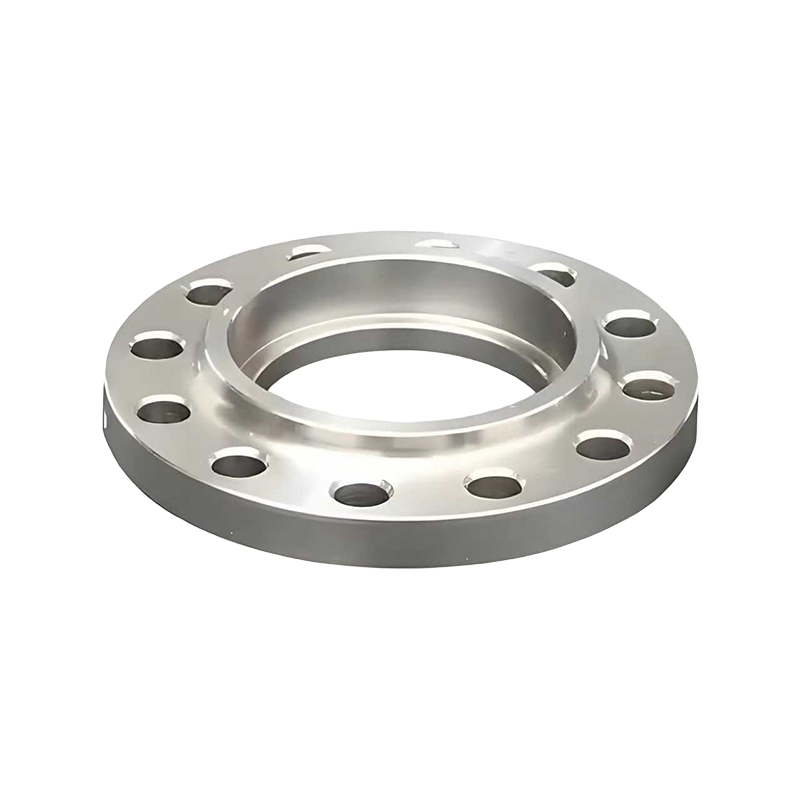
What Is a Slip On Flange?
A slip on flange slides over the outside of the pipe and is welded both inside and outside to secure the connection. Unlike socket welding flanges, slip on flanges do not have a recessed socket; instead, the pipe passes through the flange bore and is aligned before welding.
Key Structural Features
- Straight bore allowing the pipe to pass through
- Two welds: one inside and one outside
- Easier pipe alignment during installation
Slip on flanges are widely used in low- to medium-pressure systems where ease of installation and cost efficiency are priorities.
Socket Welding Flange vs Slip On Flange: Design Differences
The most obvious difference between socket welding flanges and slip on flanges lies in their internal design. The socket welding flange holds the pipe inside a recessed pocket, while the slip on flange simply slides over the pipe. This difference affects alignment, weld strength, and long-term performance.
| Feature | Socket Welding Flange | Slip On Flange |
| Pipe Position | Inserted into socket | Slides through bore |
| Number of Welds | One external fillet weld | Two welds (inside & outside) |
| Alignment Accuracy | Very precise | Moderate |
| Internal Flow Smoothness | Better | Slightly reduced |
Pressure Ratings and Strength Comparison
When comparing socket welding flange vs slip on flange, pressure rating is one of the most critical factors. Socket welding flanges generally offer higher strength due to better stress distribution and reduced weld fatigue.
Socket Welding Flange Strength
Because the pipe is inserted into the flange and welded externally, socket welding flanges provide a strong, compact joint. They are commonly used in high-pressure systems, typically Class 300 and above, especially for small pipe sizes.
Slip On Flange Strength
Slip on flanges are generally rated at about two-thirds the strength of equivalent weld neck flanges and lower than socket welding flanges. However, for low-pressure systems, this level of strength is often more than sufficient.
Installation and Welding Considerations
Installation complexity is another major difference between socket welding flanges and slip on flanges. The choice often depends on labor cost, welder skill level, and on-site conditions.
Installing Socket Welding Flanges
- Requires precise pipe insertion depth
- Less welding time due to single weld
- Higher skill required to avoid stress cracking
Installing Slip On Flanges
- Easier alignment and positioning
- More welding time due to two welds
- Suitable for less experienced welding teams
Cost Comparison and Economic Factors
From a cost perspective, slip on flanges are usually more economical than socket welding flanges. They require less machining and are more forgiving during installation, which reduces labor costs.
Socket welding flanges may have a higher initial cost, but their superior performance in high-pressure systems can reduce maintenance and downtime expenses over the long term.
Typical Applications and Industry Use
Common Uses of Socket Welding Flanges
- High-pressure steam lines
- Chemical and petrochemical piping
- Small-diameter hydraulic systems
Common Uses of Slip On Flanges
- Water supply pipelines
- Low-pressure oil and gas systems
- General industrial piping
How to Choose Between Socket Welding Flange and Slip On Flange
Choosing between a socket welding flange and a slip on flange depends on several practical factors, including pressure requirements, budget, pipe size, and installation environment.
- Choose socket welding flanges for high-pressure, critical applications
- Choose slip on flanges for cost-sensitive, low-pressure systems
- Consider long-term maintenance and safety requirements
Conclusion: Making the Right Flange Selection
The comparison of socket welding flange vs slip on flange shows that neither option is universally better; each serves a specific purpose. Socket welding flanges excel in high-pressure, precision-driven systems, while slip on flanges offer flexibility, ease of installation, and cost savings for less demanding applications.
By evaluating pressure ratings, installation conditions, budget constraints, and long-term performance expectations, you can confidently select the flange type that best supports your piping system’s safety and efficiency.
Latest News
News And Blogs
Stay Informed About Our Recent Events