Language
 English
 中文简体
中文简体 русский
 Español
 عربى
عربى
Material Selection for Butt Weld Fittings Choosing the right material is the first step in selecting...
Home / News / Industry News / What Are the Key Applications of a Butt Weld 180 Degree Elbow in Piping Systems?
What Are the Key Applications of a Butt Weld 180 Degree Elbow in Piping Systems?

Content
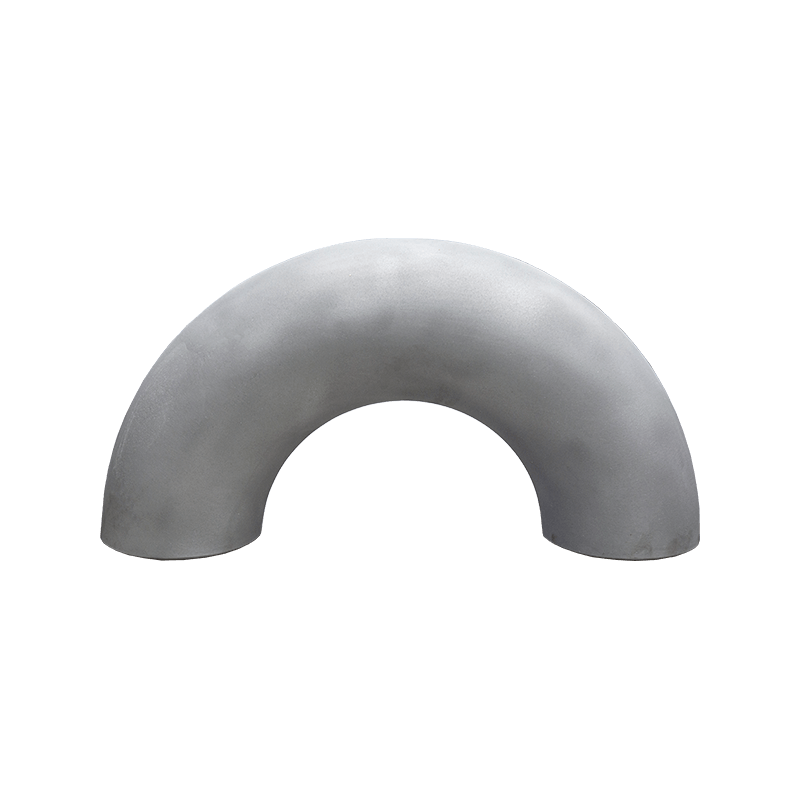
Butt weld 180 degree elbows are essential components in piping systems, allowing pipelines to change direction efficiently while maintaining strength and flow integrity. Their design, material options, and installation versatility make them a preferred choice across multiple industries.
Overview of Butt Weld 180 Degree Elbows
A butt weld 180 degree elbow is a type of pipe fitting designed to reverse the flow direction of a pipeline. Unlike threaded or socket weld elbows, butt weld elbows are welded directly to the piping system, providing a smooth internal surface and superior pressure handling. These elbows are commonly used in high-pressure, high-temperature, and large-diameter piping applications.
Material Selection for Butt Weld 180° Elbows
Carbon Steel and Stainless Steel
Carbon steel is widely used for general industrial applications due to its strength and cost-effectiveness. For corrosive environments or sanitary piping, stainless steel offers excellent resistance to oxidation and chemical attack. Choosing the right material ensures longevity and reliability of the elbow in the system.
Alloy Options
Alloyed steels, such as chromium-molybdenum alloys, are suitable for high-temperature and high-pressure applications, including power plants and petrochemical facilities. These materials maintain structural integrity under extreme conditions and reduce the risk of thermal fatigue.
Key Applications in Piping Systems
Industrial Piping
Butt weld 180° elbows are used extensively in industrial piping to reverse flow directions efficiently in chemical plants, refineries, and manufacturing facilities. Their welded connections minimize leakage risks and maintain high system pressure, making them ideal for transporting gases, liquids, and steam.
Water and Wastewater Systems
In municipal water and wastewater systems, 180° elbows redirect flow in confined spaces or around obstacles. They allow engineers to design more compact piping layouts while ensuring smooth flow transitions, reducing turbulence and energy loss.
Oil and Gas Pipelines
Butt weld elbows in oil and gas pipelines are crucial for high-pressure environments. They handle crude oil, refined products, and natural gas effectively, providing leak-proof connections and resistance to extreme pressures and temperatures.
Advantages of Butt Weld 180 Degree Elbows
- Strong welded connections for high-pressure applications
- Smooth internal surface reduces flow turbulence and pressure drop
- High temperature and corrosion resistance depending on material
- Customizable for various pipe diameters and wall thicknesses
- Long service life with minimal maintenance
Installation Considerations
Proper Welding Techniques
Installation requires skilled welding to achieve strong, leak-proof joints. Techniques such as TIG, MIG, or arc welding are commonly used depending on material and pipe size. Proper alignment during welding prevents stress concentrations and ensures flow efficiency.
Inspection and Testing
Post-installation, butt weld elbows undergo inspection methods such as X-ray, ultrasonic, or dye penetrant testing. These evaluations verify weld integrity and detect potential defects, ensuring reliable operation under service conditions.
Comparison with Other Elbow Types
| Feature | Butt Weld 180° Elbow | Threaded Elbow | Socket Weld Elbow |
| Pressure Handling | High | Moderate | High |
| Installation Cost | Moderate | Low | Moderate |
| Leak Risk | Low | Higher | Low |
| Maintenance | Minimal | Moderate | Minimal |
Conclusion
Butt weld 180 degree elbows are vital for efficient and reliable piping systems across industries such as oil and gas, water treatment, and industrial manufacturing. Their strength, durability, and smooth flow characteristics make them ideal for high-pressure and high-temperature applications. By selecting the right material, ensuring proper installation, and performing quality inspections, engineers can maximize the performance and longevity of these essential fittings.
Latest News
News And Blogs
Stay Informed About Our Recent Events