Language
 English
 中文简体
中文简体 русский
 Español
 عربى
عربى
Material Selection for Butt Weld Fittings Choosing the right material is the first step in selecting...
What Is a Forged Thread Coupling and How Do You Choose the Right One?

Content
- 1 Why Forging Matters in Threaded Couplings
- 2 Common Types of Forged Thread Couplings
- 3 Materials Used in Forged Thread Couplings
- 4 Thread Standards and Connection Types
- 5 Pressure Ratings and Dimensional Standards
- 6 Typical Industrial Applications
- 7 Installation Best Practices
- 8 Quality Control and Inspection
- 9 How to Choose the Right Forged Thread Coupling
- 10 Conclusion: The Value of Forged Thread Couplings
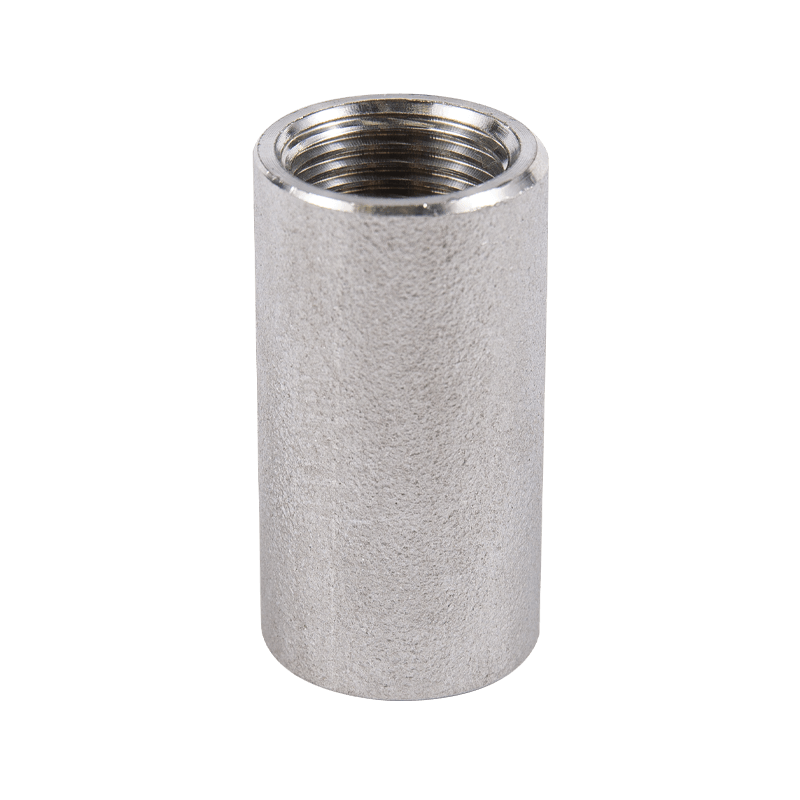
A forged thread coupling is a critical pipe fitting used to connect two pipes with matching male threads in high-pressure or high-temperature piping systems. Manufactured through forging rather than casting, these couplings offer superior strength, dimensional accuracy, and resistance to mechanical stress. They are commonly applied in industries where safety, reliability, and long-term performance are non-negotiable, such as oil and gas, petrochemical processing, power generation, and heavy industrial pipelines.
The keyword intent behind forged thread coupling usually reflects a buyer or engineer seeking durable threaded pipe connections that comply with international standards. Unlike welded fittings, threaded couplings allow easier installation and disassembly, making them especially useful in systems that require regular maintenance or component replacement.
Why Forging Matters in Threaded Couplings
Forging reshapes metal under high pressure, aligning the grain structure along the shape of the coupling. This process significantly improves mechanical properties compared with cast fittings, which may contain internal porosity or weak points. For threaded couplings, where stress concentrates around the threads, forging ensures higher tensile strength and fatigue resistance.
In real-world piping systems, couplings often experience vibration, pressure fluctuation, and thermal expansion. A forged thread coupling maintains thread integrity under these conditions, reducing the risk of leaks or sudden failures. This is a key reason why forged fittings are preferred in critical pipelines governed by strict engineering codes.
Common Types of Forged Thread Couplings
Forged thread couplings are available in several designs to suit different installation requirements and piping layouts. Selecting the correct type depends on pipe size, pressure rating, and maintenance considerations.
- Full Coupling: Internally threaded throughout its entire length, commonly used for connecting two pipes of the same size.
- Half Coupling: Threaded on one end only, often welded or screwed into equipment or larger fittings.
- Reducing Coupling: Designed to connect pipes of different diameters while maintaining a threaded connection.
Each type serves a distinct function. For example, reducing couplings are frequently used in branch lines where flow requirements change, while half couplings are popular in pressure instrument connections.
Materials Used in Forged Thread Couplings
Material selection is essential when specifying forged thread couplings, as it directly affects corrosion resistance, pressure tolerance, and service life. Most manufacturers offer a range of carbon steel, alloy steel, and stainless steel options.
| Material | Typical Grades | Key Applications |
| Carbon Steel | A105 | Oil, gas, water pipelines |
| Alloy Steel | F11, F22 | High-temperature steam systems |
| Stainless Steel | F304, F316 | Chemical and corrosive environments |
Choosing the correct material ensures compatibility with the conveyed medium and surrounding conditions, minimizing maintenance costs over time.
Thread Standards and Connection Types
Forged thread couplings are manufactured to comply with recognized thread standards. The most common is NPT (National Pipe Taper), widely used in North America and many international projects. BSPT and BSPP threads are also available for European and Middle Eastern markets.
Tapered threads create a pressure-tight seal by metal-to-metal contact, often enhanced with thread sealant or PTFE tape. Straight threads may require an additional sealing element such as an O-ring or gasket, depending on the design.
Pressure Ratings and Dimensional Standards
Forged thread couplings are typically produced in pressure classes such as 2000, 3000, and 6000, indicating their suitability for increasing pressure levels. These ratings are defined by standards like ASME B16.11, which governs forged fittings for socket weld and threaded connections.
Understanding pressure ratings is crucial during system design. Using an under-rated coupling can lead to leaks or catastrophic failure, while over-specifying may unnecessarily increase project costs.
Typical Industrial Applications
Forged thread couplings are used across a wide range of industries due to their reliability and adaptability. Their threaded design allows installation in confined spaces where welding may be impractical.
- Oil and gas pipelines and wellhead systems
- Petrochemical and chemical processing plants
- Power generation and boiler piping
- Hydraulic and pneumatic systems
In these applications, forged thread couplings provide a balance between mechanical strength and installation flexibility, making them a preferred solution for auxiliary and secondary piping lines.
Installation Best Practices
Proper installation plays a significant role in the performance of a forged thread coupling. Threads should be clean, undamaged, and correctly aligned before assembly. Applying the appropriate thread sealant helps prevent leaks and protects threads from galling.
Over-tightening should be avoided, as it can distort threads and compromise sealing performance. Following manufacturer torque recommendations and applicable codes ensures a secure and reliable connection.
Quality Control and Inspection
Reputable suppliers subject forged thread couplings to strict quality control procedures. These may include chemical composition analysis, mechanical testing, dimensional inspection, and non-destructive testing methods such as magnetic particle or ultrasonic inspection.
Certification documents, including mill test reports, provide traceability and assurance that the couplings meet specified standards. This is especially important for regulated industries and international projects.
How to Choose the Right Forged Thread Coupling
Selecting the right forged thread coupling involves evaluating several practical factors rather than focusing solely on price. Engineers and buyers should consider pressure rating, material compatibility, thread standard, and compliance with relevant codes.
Working with experienced manufacturers or suppliers helps ensure that the selected coupling aligns with project specifications and long-term operational requirements. This approach reduces downtime, enhances safety, and delivers better value over the lifecycle of the piping system.
Conclusion: The Value of Forged Thread Couplings
Forged thread couplings play an essential role in modern piping systems where strength, reliability, and ease of installation are critical. Their forged construction, standardized dimensions, and wide material options make them suitable for demanding industrial environments.
By understanding types, materials, standards, and best practices, engineers and procurement professionals can confidently specify forged thread couplings that ensure safe, efficient, and long-lasting pipe connections.
Latest News
News And Blogs
Stay Informed About Our Recent Events