Language
 English
 中文简体
中文简体 русский
 Español
 عربى
عربى
Material Selection for Butt Weld Fittings Choosing the right material is the first step in selecting...
Home / News / Industry News / When Should You Use a Butt Weld 45 Degree Elbow Instead of a 90 Degree Fitting?
When Should You Use a Butt Weld 45 Degree Elbow Instead of a 90 Degree Fitting?

Content
- 1 What Is a Butt Weld 45 Degree Elbow
- 2 How Butt Weld Elbows Differ From Other Fitting Types
- 3 Key Dimensional Standards
- 4 Common Materials Used for Butt Weld 45 Degree Elbows
- 5 Advantages of Using 45 Degree Elbows in Piping Design
- 6 Common Applications
- 7 Factors to Consider Before Ordering
- 8 Installation and Welding Best Practices
What Is a Butt Weld 45 Degree Elbow
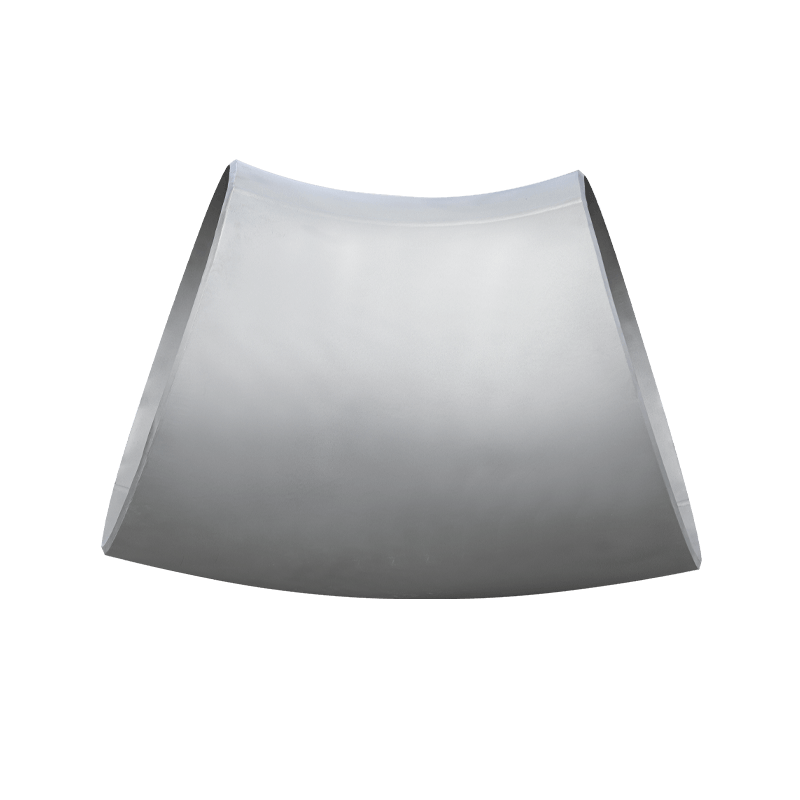
A butt weld 45 degree elbow is a pipe fitting designed to change the direction of a piping system by 45 degrees, connected to adjoining pipe sections through a butt welding process rather than threading or flanging. This fitting features beveled ends that align precisely with the beveled ends of the connecting pipe, allowing a welder to fuse the two components together into a single, continuous, leak-resistant joint. Because the weld creates a permanent metallurgical bond rather than a mechanical connection, butt weld elbows are widely used in high-pressure and high-temperature piping systems where reliability and joint strength are critical.
Compared to a standard 90 degree elbow, the 45 degree version is used when a piping route requires a more gradual directional change, which can reduce turbulence, minimize pressure drop, and lower the risk of erosion at the fitting compared to a sharper angle change. This makes the 45 degree elbow a practical choice in systems where maintaining smooth, efficient fluid flow is a priority alongside the physical routing needs of the piping layout.
How Butt Weld Elbows Differ From Other Fitting Types
Piping systems can be joined using several different fitting methods, each suited to different pressure ratings, maintenance needs, and installation environments. Butt weld elbows are distinct from threaded or socket weld fittings in that they are designed for direct pipe-to-pipe fusion without an intermediate connection point, which reduces the number of potential leak paths in the system. This design also allows butt weld elbows to be used seamlessly in schedules and wall thicknesses matching the connecting pipe, ensuring consistent structural integrity throughout the joint.
Because the welding process requires skilled labor and proper equipment, butt weld fittings are generally reserved for permanent, high-integrity installations such as industrial process piping, power generation facilities, and large-diameter pipelines, rather than smaller residential or low-pressure applications where threaded or socket weld fittings may be more practical and cost-effective.
Key Dimensional Standards
Butt weld 45 degree elbows are manufactured according to established dimensional standards to ensure compatibility across different manufacturers and piping systems. These standards define critical measurements such as center-to-end distance, wall thickness, and overall fitting dimensions relative to the nominal pipe size. The table below outlines general dimensional categories commonly referenced in industrial piping specifications.
Specification ElementDescriptionRelevanceNominal Pipe SizeMatches connecting pipe diameterEnsures proper fit-up for weldingSchedule RatingDefines wall thicknessDetermines pressure handling capacityCenter-to-End DimensionDistance from fitting center to weld endCritical for accurate pipe layout planningBevel AngleTypically 37.5 degrees per standard practiceEnsures proper weld penetration
Adhering to these standardized dimensions allows engineers and fabricators to design piping systems with predictable geometry, simplifying installation and reducing the risk of misalignment during construction.
Common Materials Used for Butt Weld 45 Degree Elbows
Material selection depends heavily on the specific application, including the fluid being transported, operating temperature, and pressure conditions. Common materials include:
- Carbon steel, offering good strength and cost efficiency for general industrial piping
- Stainless steel, providing enhanced corrosion resistance for chemical and food processing systems
- Alloy steel, suited for high-temperature and high-pressure power generation applications
- Duplex stainless steel, used in demanding offshore and marine piping environments
Choosing the correct material not only affects the fitting's durability and corrosion resistance but also ensures compatibility with the connecting pipe to prevent galvanic corrosion or weld metallurgy issues at the joint.
Advantages of Using 45 Degree Elbows in Piping Design
Reduced Flow Resistance
Because the directional change is more gradual than a 90 degree elbow, fluid moving through a 45 degree fitting experiences less turbulence and a smaller pressure drop. This can be particularly beneficial in systems where maintaining consistent flow rates and minimizing pump energy requirements are important design considerations.
Lower Erosion Risk
In systems carrying abrasive fluids or slurries, sharper directional changes can accelerate wear at the fitting's inner surface due to concentrated impact forces. The more gradual angle of a 45 degree elbow helps distribute these forces more evenly, potentially extending the fitting's service life in erosive service conditions.
Common Applications
Butt weld 45 degree elbows are used across numerous industrial sectors where precise, efficient directional changes in piping are required:
- Oil and gas pipeline systems requiring long-distance directional routing
- Chemical processing plants handling corrosive or high-purity fluids
- Power generation facilities with high-pressure steam and water piping
- Water and wastewater treatment infrastructure
- Shipbuilding and offshore platform piping systems
In each of these settings, the reliability of a properly welded joint is essential, given the potential consequences of leaks or failures in high-pressure or hazardous fluid systems.
Factors to Consider Before Ordering
Before ordering butt weld 45 degree elbows, engineers should confirm the required schedule and wall thickness match the connecting pipe specification, as mismatched wall thicknesses can complicate the welding process and compromise joint strength. Verifying material certification and traceability documentation is equally important, particularly for projects governed by strict industry codes or regulatory oversight, since improperly documented materials can delay project approval or inspection sign-off.
Buyers should also consider whether the fitting requires additional testing, such as radiographic examination or hydrostatic pressure testing, depending on the criticality of the piping system and applicable project specifications.
Installation and Welding Best Practices
Proper fit-up before welding is essential to achieving a sound, defect-free joint. This includes verifying that pipe and fitting bevels align correctly and that root gaps meet the specifications outlined in the applicable welding procedure. Using qualified welders certified for the specific material and joint configuration helps ensure the weld meets required strength and integrity standards, particularly for pressure-critical applications.
Post-weld inspection, including visual examination and, where required, non-destructive testing methods such as ultrasonic or radiographic inspection, helps confirm weld quality before the piping system is placed into service, reducing the risk of in-service failures that could result in costly downtime or safety incidents.
Latest News
News And Blogs
Stay Informed About Our Recent Events