Language
 English
 中文简体
中文简体 русский
 Español
 عربى
عربى
Material Selection for Butt Weld Fittings Choosing the right material is the first step in selecting...
Home / News / Industry News / Custom Flange Manufacturing Guide: Materials, Standards, and Tolerances
Custom Flange Manufacturing Guide: Materials, Standards, and Tolerances

Content
Refinery maintenance crews face a recurring problem: the piping system contains a non-standard flange that no catalog listing matches. The bolt circle does not follow any ASME B16.5 pattern, the material grade comes from an older specification, or the bore needs a finish that commodity flanges do not offer. At that moment, custom flange manufacturing is no longer a nice-to-have; it is the only route back to an operational system.
A missing flange can stall a process line for days. The cost of that downtime usually far exceeds the price of a machined custom part. It is a straightforward math problem: any manufacturer with a reliable forging source and CNC machining capacity can produce a custom flange within days, provided they understand the critical dimensions and tolerances that matter.
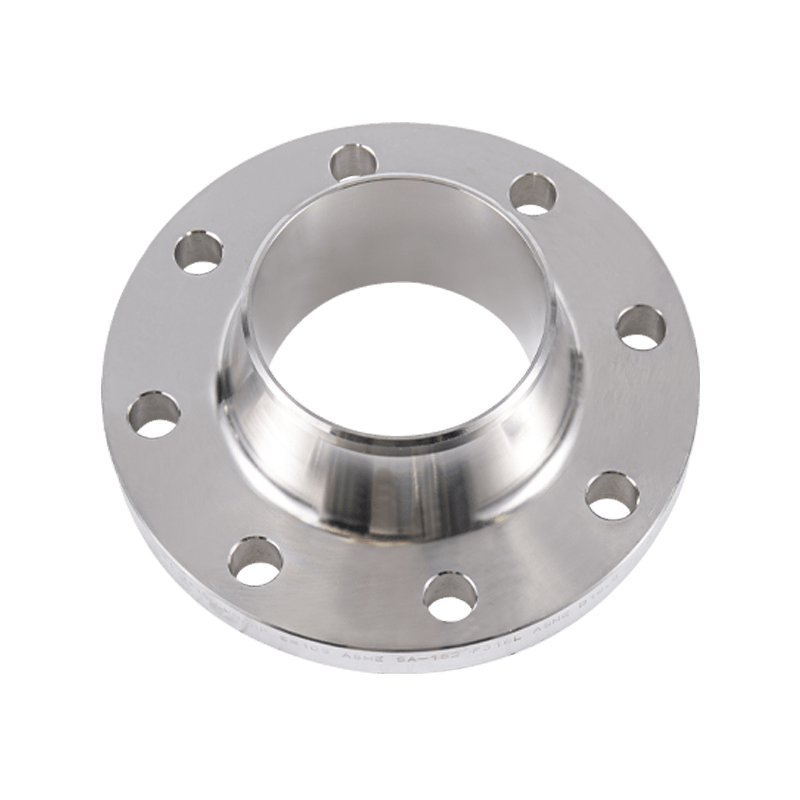 Weld Neck Flange for High-Pressure and High-Temperature ApplicationsBuilt with a tapered neck and full-penetration butt weld, this flange ensures leak-proof performance under extreme conditions, making it a reliable choice for critical pipelines in oil, gas, and chemical systems.View Product →
When You Need a Custom Flange
A custom flange is not always a fully bespoke design. More often, it is a flange that deviates from a recognized standard in one or two controlled ways. Common triggers include an existing flange with a damaged face, a pump or valve nozzle that uses an unconventional bolt pattern, or a process upgrade that requires an unusual bore or face configuration.
Typical custom scenarios include:
- Bore diameters that do not align with standard pipe schedules, often machined to match an existing pipeline or a specific flow profile.
- Bolt circles and outside diameters that must register with a mating flange already installed in the field.
- Uncommon face configurations such as RTJ grooves, tongue-and-groove, or serrated finishes for high-pressure gasket sealing.
- Material grades selected for corrosive service, high temperature, or cryogenic conditions that are not stocked in standard sizes.
For a manufacturer with over three decades of pipe fitting experience, these are not unusual requests. What matters is the ability to convert the request into clear machining instructions without guessing at tolerances.
Material Selection for Custom Flanges
The choice of material determines the flange service life and its cost. For custom flanges, the initial specification often comes from the operating environment rather than standard availability. This is why a manufacturer needs access to multiple material families.
| Material Grade | Typical Standard | Key Performance | Common Application |
|---|---|---|---|
| ASTM A105 | ASME B16.5, ASTM A105 | Carbon steel, general strength, easily welded | Water, steam, oil service |
| ASTM A182 F304/316L | ASME B16.5, ASTM A182 | Stainless steel, corrosion resistance | Chemical, marine, food |
| ASTM A182 F11/F22 | ASME B16.5, ASTM A182 | Alloy steel, high temperature creep strength | Power plant, steam lines |
| ASTM A182 F91 | ASME B16.5 | Enhanced high-temp strength for boilers | Power plants, high-temp headers |
| ASTM A182 F51 (2205) | ASME B16.5 | Duplex stainless, stress corrosion cracking resistance | Seawater, offshore |
| ASTM A182 F53 (2507) | ASME B16.5 | Super duplex, high chloride resistance | Desalination, offshore |
| Inconel 625/718 | ASTM | Nickel base alloy, extreme corrosion and temperature | Chemical, aerospace, high temp |
| Titanium Grade 2 | ASTM | Lightweight, excellent corrosion resistance | Chemical equipment |
Selecting the right material is only half the job. The other half is confirming the flange heat treatment and certification chain. For low-temperature service, carbon steel grades such as WPL6 low-temperature blind flanges are machined to ensure impact toughness; for high-pressure gas transmission, the weld neck flange needs proper ultrasonic testing before dispatch.
Each material family also has specific machining parameters. Stainless steel work-hardens faster than carbon steel, which affects feed rates and tooling. A manufacturer that has produced both commodity and custom flanges in these materials will anticipate these differences.
Standards and Dimensional Tolerances
Custom flanges still need a reference frame. Even when a flange deviates from a standard, the manufacturer should align with ASME B16.5 weld neck flanges or ASME B16.47 for pressure ratings and basic face dimensions. The custom aspect usually concerns the bore, bolt circle, or thickness, but the flange pressure class and facing still follow a recognized basis.
A couple of practical tolerance rules that custom flange shops apply:
- Bolt circle diameter: usually held within +/-1.5 mm for standard sizes, but tighter for pairs that must mate with an existing flange.
- Bore diameter: machined close to the requested dimension, often within +/-0.1 mm when the flange is part of a matched set.
- Thickness: kept within the range set by ASME B16.5, unless the client specifically requires a heavier body for added stiffness.
These tolerances matter because custom flanges are rarely standalone pieces. They must align with other components already on site. A slight mismatch in the bolt circle or face profile can turn into a leak path during startup.
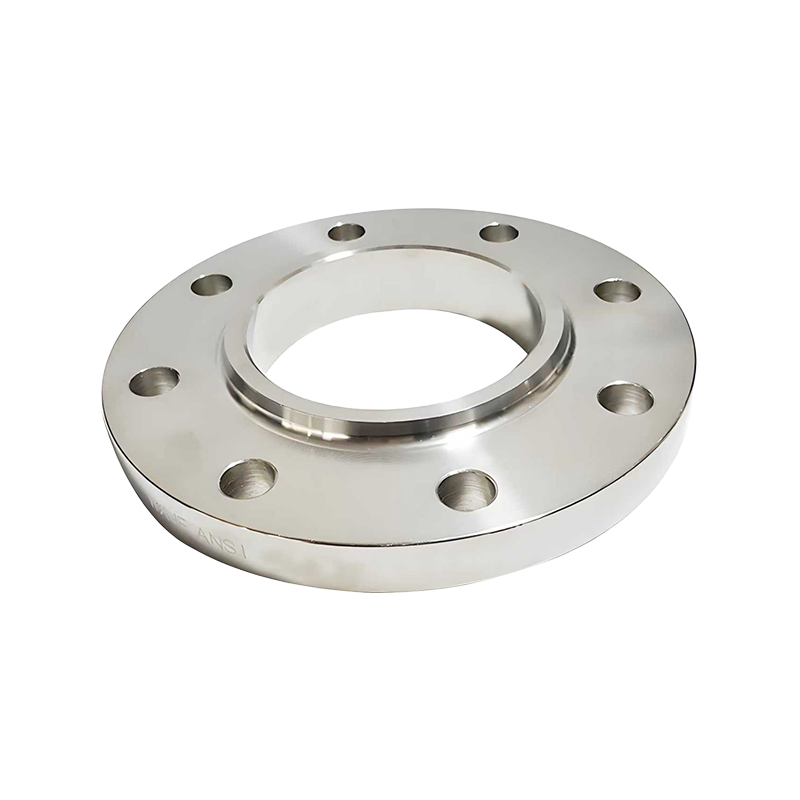 Slip On Flange for Low-Pressure Systems and Easy InstallationThis flange slides over the pipe and requires only a fillet weld, offering a cost-effective and secure connection for low-pressure services in water, HVAC, and general industrial lines.View Product →
Manufacturing Process for Custom Flanges
Custom flange manufacturing follows the same basic route as standard flanges, with modifications spread across each stage.
- Stock preparation: forging stock is cut to the required weight and dimensions. Forged blanks provide a uniform grain flow that improves mechanical properties compared with plate flanges.
- Heat treatment: after forging, the material is normalized or quenched and tempered based on grade and required toughness.
- Rough machining: the blank is turned to approximate dimensions, leaving allowance for final passes.
- CNC machining: the bolt holes, bore, and gasket face are machined to final tolerances. CNC machines allow the operator to program a specific bolt circle directly from the client drawing.
- Surface finishing: for critical sealing faces, a serrated or smooth finish is applied. For chemical service, pickling and passivation may be required.
Each stage has a quality gate. A custom flange with an oversized bore and a non-standard bolt circle can be perfect in every dimension except one, and that one will cause the issue when it sees pressure.
Quality Control and Inspection
Custom flanges must meet the same inspection standards as their catalog counterparts. At a minimum, inspections should cover:
- Dimensional verification against the client drawing, with specific attention to bolt circle, bore, OD, and thickness.
- Material verification through positive material identification and certificate review.
- Non-destructive testing based on the criticality of the service. A high-pressure gas flange may require ultrasonic testing of the forging; a flange for a chemical slurry line may need penetrant testing on the sealing surface.
Many facilities hold ISO 9001 certification and require PED compliance for flanges that will be installed in Europe. Running these systems on a custom order is not optional; it is the reason the custom shop is retained in the first place.
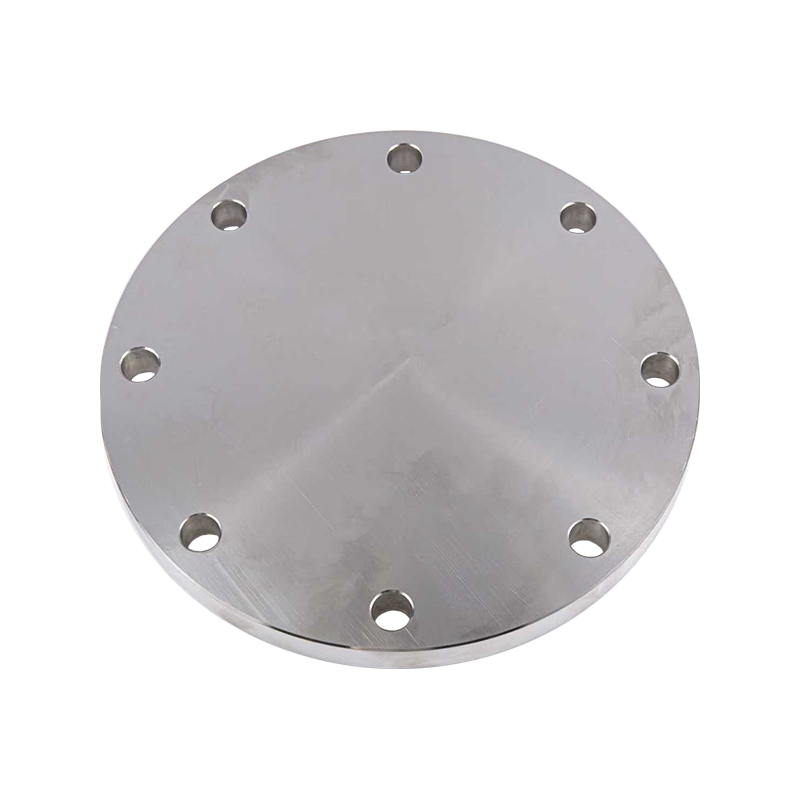 Blind Flange to Seal Pipe Ends with Versatile Sealing FacesDesigned to close pipe or equipment openings, this flange provides a robust barrier and accommodates various pressure requirements, suitable for maintenance, testing, or emergency shutoffs.View Product →
Applications of Custom Flanges
Custom flanges appear in almost every industrial sector. The specific requests differ, but the engineering logic is consistent: when a catalog flange will not fit, a custom flange is machined to complete the connection.
- Oil and gas pipelines: large-diameter blind flanges for isolation during maintenance, high-pressure weld neck flanges for offshore tie-ins.
- Chemical processing: RTJ and special-faced flanges in stainless steel or duplex to resist aggressive media.
- Power generation: alloy steel flanges for steam headers and high-temperature service, often with critical material traceability.
- Marine and desalination: super duplex or titanium flanges where chloride levels are high, requiring special machining to avoid work hardening.
Creating a custom flange for any of these services calls for a conversation between the customer and the manufacturer before raw material is cut. That is how the correct material, specification, and inspection level are agreed.
How to Specify a Custom Flange
When you send a custom flange inquiry to a manufacturer, provide as much detail as possible. The items that speed up the quotation are below:
- Nominal pipe size and pressure class, if applicable.
- Material grade and working temperature range.
- Bore diameter with the tolerance you can accept.
- Bolt circle diameter and number of holes, with flange OD.
- Gasket face type: RF, FF, RTJ, or other.
- Quantity required and delivery deadline.
- Whether the flange will be paired with a mating flange you already have.
A manufacturer that has built custom flanges across multiple continents will use this information to flag potential issues before they become shop problems.
Conclusion
Custom flange manufacturing is not a different business from standard flange manufacturing. It is the same machining, the same forging knowledge, and the same inspection discipline applied to a piece that does not fit a catalog page. The value lies in the experience: knowing which dimension to hold tight, which material needs special handling, and which testing path to follow for a given service.
That is the kind of knowledge that says custom flanges can be delivered on schedule, and that is what returns the process line to operation sooner.
Latest News
News And Blogs
Stay Informed About Our Recent Events