Language
 English
 中文简体
 русский
 Español
 عربى
Material Selection for Butt Weld Fittings Choosing the right material is the first step in selecting...
Home / News / Industry News / Acid-Resistant Piping Systems: Materials, Fittings, and Selection Guide
Acid-Resistant Piping Systems: Materials, Fittings, and Selection Guide

Content
- 1 What “Acid Resistant” Means in a Piping System
- 2 Begin With the Acid, Not the Alloy
- 3 Material Choices That Fit Acid Service
- 4 Where Acid-Resistant Piping Usually Fails
- 5 Matching Fittings, Flanges, and Welds
- 6 Practical Specification Checklist
- 7 When Linings or Non-Metallic Piping Make Sense
- 8 Help From People Who Make the Parts
Acid-resistant pipe is rarely a single-material answer. The right choice depends on the acid, its concentration, the operating temperature, the presence of chlorides or oxidizers, and how the line will be cleaned and maintained. In practice, a reliable acid-resistant piping system also depends on fittings, flanges, welds, gaskets, and fabrication quality working together. Our experience in pressure piping components has shown that the most durable systems begin with a clear understanding of the service, not simply a higher alloy grade.
What “Acid Resistant” Means in a Piping System
Acid resistance is not an absolute property. A material that performs well in dilute sulfuric acid at ambient temperature may fail quickly in concentrated acid, hot acid, or an acid stream containing chlorides. Corrosion can appear as general wall loss, pitting, crevice attack, intergranular corrosion, or stress corrosion cracking. Each form has a different cause, and each places different demands on pipe, fittings, and welded joints.
This is why acid-resistant pipe should be evaluated as a system. The pipe sets the general material path, but elbows change flow direction, tees create branch turbulence, reducers alter velocity, and flanges introduce crevices and gasket interfaces. A sound material specification must therefore cover the whole wetted path, including small components that are easy to overlook.
Begin With the Acid, Not the Alloy
Before comparing stainless steels or nickel alloys, gather the process data that controls corrosion performance. A practical review usually asks:
- Which acid or acid mixture is present, and at what concentration?
- What are the normal and upset temperature ranges?
- Are chlorides, fluorides, oxidizers, or dissolved oxygen present?
- What flow velocity and solids content will the line see?
- Will the system be cleaned with caustic, acid, steam, or another medium?
- Are there stagnant zones, dead legs, or frequent shutdown conditions?
These details matter more than a generic corrosion chart. For example, 316L stainless steel may be suitable for many moderate acid services, but it is not a universal answer for hot concentrated acids or high-chloride conditions. Duplex and super duplex grades can offer useful strength and chloride resistance, while nickel alloys and titanium are selected for more aggressive situations where standard stainless steels would be at risk.
Material Choices That Fit Acid Service
Austenitic stainless steels such as 304/304L and 316/316L are common starting points for mild to moderate acid exposure. 316L is often preferred where additional molybdenum improves resistance to certain acids and chloride-containing environments. For higher-temperature service, stabilized or high-carbon grades such as 321H and 347H may be considered, although acid resistance still depends on the specific chemistry.
Duplex 2205 and super duplex 2507 are useful where higher strength and improved chloride resistance are needed. They are frequently evaluated for chemical processing, seawater-related equipment, and mixed corrosive service. Nickel-based alloys such as Inconel 625 and 718 extend the range further, particularly in hot, chloride-bearing, or otherwise severe acid environments. Titanium Grade 2 can be a strong candidate in oxidizing acid service, but it is not suitable for every acid chemistry.
For many chemical and marine acid duties, 316L remains a practical baseline. Our 316L corrosion-resistant stainless steel pipe fittings are used in such systems where the chemistry and temperature are properly matched. When the service moves into hotter or more aggressive territory, our Inconel 625 and 718 nickel alloy fittings provide a route for review with the project metallurgist.
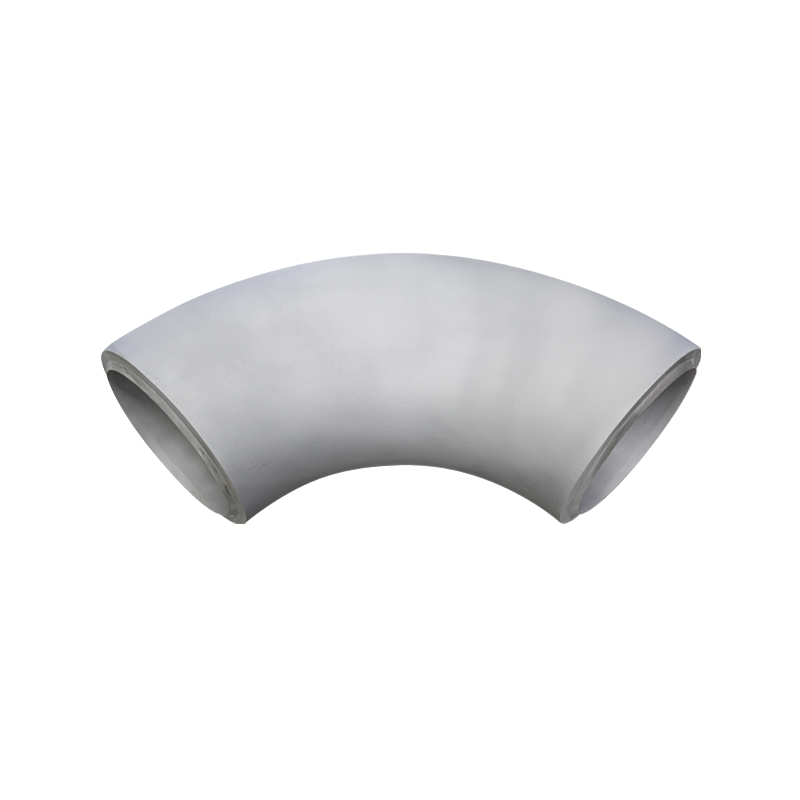 Special Materials Butt-Welding Pipe FittingsNickel alloy, duplex, titanium, and zirconium butt-weld fittings for corrosive, high-pressure industrial piping where standard materials fall short.View Product →
Where Acid-Resistant Piping Usually Fails
Failures often occur at details rather than in the middle of a straight pipe. Welded joints can retain heat tint, slag, or incomplete fusion, creating initiation points for corrosion. Flange faces and gasket crevices can trap acid and allow concentration effects. Low points, dead legs, and bypass lines may remain stagnant while the main line is flowing. Dissimilar metal joints can also introduce galvanic effects if they are not engineered correctly.
Fabrication quality is therefore part of corrosion control. Weld procedures, qualified welders, appropriate shielding, cleaning after welding, and inspection methods should be agreed before production. For acid service, a simple visual check is not enough; dimensional verification, material traceability, and, where required, non-destructive examination help confirm that the components are fit for the line.
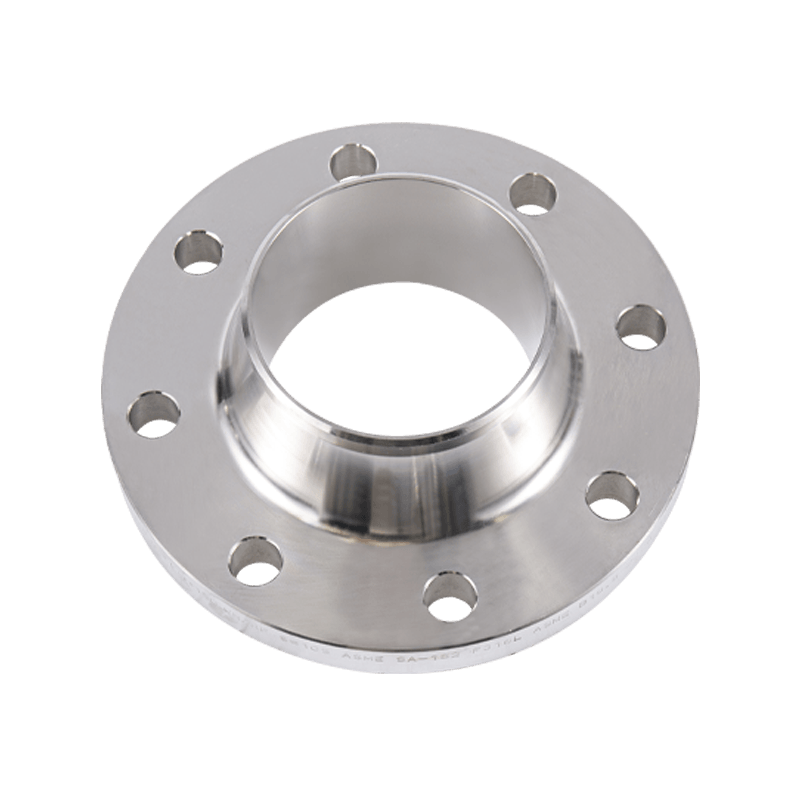 Weld Neck Flange for High-Pressure PipingButt-welded flanges with a tapered neck for high-pressure, high-temperature and critical acid lines, supporting strong seals and reduced stress concentration.View Product →
Matching Fittings, Flanges, and Welds
Acid-resistant pipe performs best when the fittings and flanges are specified with the same care as the pipe. A weld-neck flange offers a butt-welded transition and can be radiographed more readily than some other flange types, which is valuable in critical acid lines. Equal tees, reducing tees, elbows, and reducers must match the pipe material, pressure class, and dimensional standard. Gaskets and bolting also need to be compatible with the acid and the operating temperature.
The table below gives a general comparison, not a final selection guide. Real material choices should be confirmed against corrosion data, project standards, and the actual process conditions.
| Material family | Typical acid-service strengths | Watch-outs | Common fitting use |
|---|---|---|---|
| 304/304L stainless steel | Mild corrosive service and general chemical exposure | Limited resistance to chlorides and more aggressive acids | General piping, low-risk utility lines |
| 316/316L stainless steel | Moderate acid and chloride-bearing chemical service | Not universal for hot concentrated acids | Chemical, marine, and process piping |
| Duplex 2205 | Higher strength and improved chloride resistance | Welding and thermal control need care | Chemical and seawater-related systems |
| Super duplex 2507 | Severe chloride and corrosive service | Requires qualified welding and careful fabrication | Aggressive chemical and offshore lines |
| Nickel alloy 625/718 | Hot, chloride-bearing, and aggressive acid environments | Higher cost and tighter procurement planning | Critical process and severe-service piping |
| Titanium Grade 2 | Selected oxidizing acid services | Not suitable for all acid chemistries | Special chemical equipment |
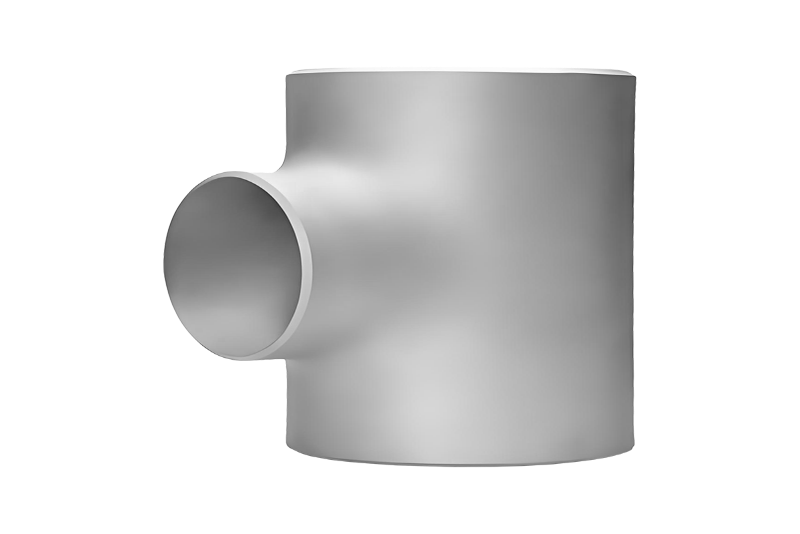
For branch connections and headers, an equal tee may look like a simple item, but its internal profile and weld quality influence flow and corrosion risk. A properly matched butt-weld equal tee helps maintain a continuous wetted path and reduces unnecessary turbulence.
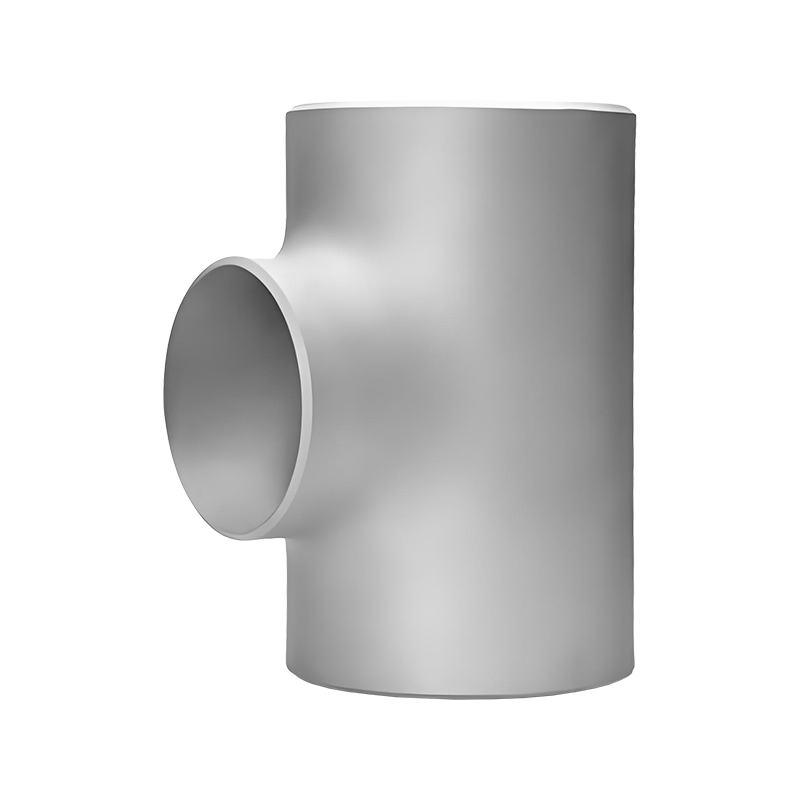 Butt Weld Equal Tee FittingsSymmetric butt-weld equal tees for balanced flow distribution in petrochemical, gas, power and other piping, available in seamless or welded construction.View Product →
Practical Specification Checklist
A clear specification reduces surprises during procurement and installation. For acid-resistant pipe systems, consider including:
- The acid service description, concentration range, temperature range, and contaminants.
- Pipe, fitting, and flange material grades with applicable standards such as ASME B16.9 or ASME B16.5.
- Welding procedure requirements, welder qualification, and post-weld cleaning.
- Material test reports, heat-number traceability, and positive material identification where required.
- Non-destructive examination requirements for critical welds and flange connections.
- Gasket, bolting, and surface-finish requirements for the wetted and sealed areas.
It is also wise to review how the line will be drained, flushed, and inspected. Acid service can expose the system to shutdown conditions that are more corrosive than normal operation, so temporary conditions deserve a place in the design review.
When Linings or Non-Metallic Piping Make Sense
Metallic alloys are not the only option. In some acid services, lined carbon steel, PTFE or PFA-lined components, FRP, or thermoplastic piping can be technically and commercially attractive. These solutions can perform well when the temperature, pressure, permeation risk, and mechanical loads are understood. They also bring different joining methods and inspection needs. The key is to compare them honestly with the metallic route rather than assuming one approach is always superior.
Help From People Who Make the Parts
At Jiangyin Gaoxin Pipe Fittings, we have supplied pressure piping components for more than three decades, including butt-weld fittings, forged fittings, and flanges in carbon steel, stainless steel, alloy steel, duplex, nickel alloys, and titanium. Our team includes inspection personnel qualified in magnetic particle, penetrant, ultrasonic, and radiographic testing, and we maintain common specifications in stock to support practical delivery schedules.
If you are reviewing an acid-resistant piping system, bring us the service conditions and the fitting list. We can help check material matching, dimensions, welding details, and documentation so that the components support the pipe specification instead of becoming the weak point.
Latest News
News And Blogs
Stay Informed About Our Recent Events